 My Account
L-Number Plecos
Shop our changing range of L-number Plecos and specialised freshwater catfish. These sought-after fish are known for their distinctive colours, patterns and behaviour, with varieties ranging from compact Plecos to much larger species.
Adult size, diet, water requirements and temperament vary considerably between L numbers. Check the requirements of the exact fish before purchasing, or contact our aquarium team for help selecting a suitable Pleco.
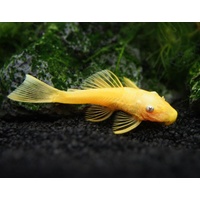
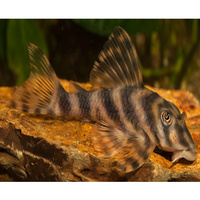
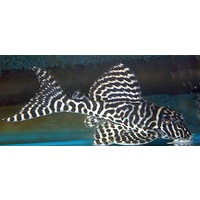
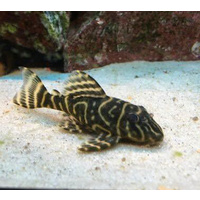
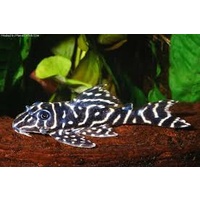
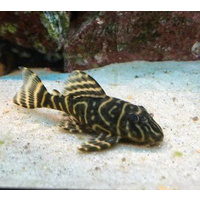
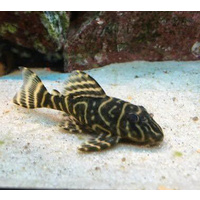
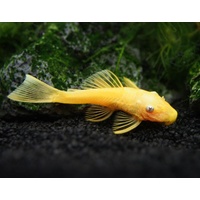
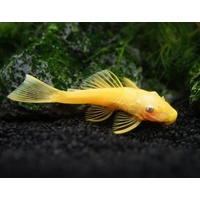
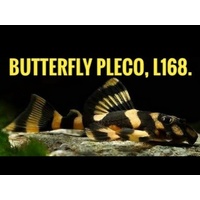
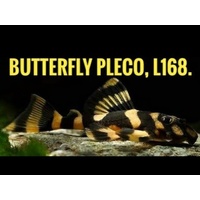
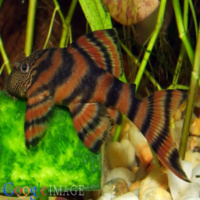
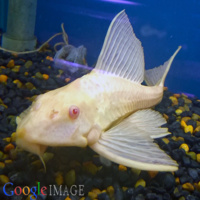
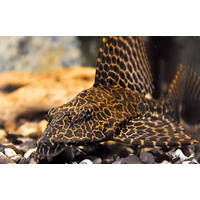
L-Number Plecos for Australian Aquariums
L-number Plecos are loricariid catfish identified within the aquarium hobby by an L number. They are popular with fishkeepers for their unusual patterns, body shapes and behaviour around caves, rocks and driftwood.
The group includes fish from several genera, and their care requirements are not interchangeable. Some L-number Plecos remain relatively compact, while others develop into much larger fish requiring substantial aquariums and stronger filtration.
Browse our complete freshwater catfish range to compare L-number Plecos with Bristlenose and Corydoras varieties.
What Does an L Number Mean?
The L-number system was created to distinguish loricariid catfish entering the aquarium trade, particularly fish that had not yet been formally described or were difficult to identify by scientific name.
An L number helps identify a particular fish, population or recognised form. However, the number alone does not tell you its adult size, diet or aquarium requirements. Some scientifically described species continue to be widely recognised by their established L numbers.
Common examples in the aquarium trade include L066, L104, L129, L144, L168 and L397. Availability at Aquaholics Online changes according to livestock supply.
Choosing the Right L-Number Pleco
Before purchasing an L-number Pleco, check:
- Expected adult size
- Recommended aquarium dimensions
- Diet and feeding requirements
- Preferred temperature, pH and hardness
- Water movement and oxygen requirements
- Temperament and territorial behaviour
- Compatibility with other bottom-dwelling fish
- Need for caves, rocks or driftwood
- Filtration and maintenance requirements
Plan around the fish’s adult size rather than its juvenile sale size. Aquarium floor space and the number of available territories can be just as important as total water volume.
Aquarium Setup for L-Number Plecos
Many L-number Plecos appreciate an aquarium containing natural structure and secure hiding areas. Depending on the species, a suitable setup may include:
- Pleco caves
- Secure rockwork
- Driftwood
- Smooth substrate
- Shaded resting areas
- Open feeding spaces
- Good water movement and oxygenation
Use aquarium rocks and aquarium driftwood to create separate territories and sheltered areas. Position all hardscape securely so digging or movement cannot cause rocks or wood to collapse.
When keeping multiple Plecos, provide several suitable hiding places. Do not expect territorial fish to share one cave or a single preferred shelter.
Do L-Number Plecos Need Driftwood?
Driftwood can provide shelter, shaded areas, grazing surfaces, biofilm and visual barriers. It is therefore a useful addition to many Pleco aquariums.
How Plecos use wood varies between species. Some interact with and graze on wood much more heavily than others. Check the requirements of the exact fish rather than assuming driftwood has the same dietary importance for every Pleco.
Feeding L-Number Plecos
One of the most common Pleco care mistakes is assuming every species lives mainly on algae. Diets vary considerably across L-number Plecos.
Depending on the species, suitable foods may include:
- Quality sinking catfish pellets
- Algae and vegetable-based wafers
- Spirulina foods
- Protein-rich sinking foods
- Appropriate frozen foods
- Fresh vegetables where suitable
Some Hypancistrus and other specialist Plecos require more protein than commonly kept algae-grazing Bristlenose. Choose food according to the fish being kept and browse our catfish food range for suitable sinking options.
Do L-Number Plecos Eat Algae?
Some Plecos graze on algae and biofilm, but not every L-number Pleco is an effective algae eater. Many specialised species need protein-rich or otherwise targeted diets.
No Pleco should be purchased solely to clean an aquarium. Every fish requires appropriate food, stable water quality and long-term care, and none replaces normal aquarium maintenance.
Filtration and Water Quality
Plecos can produce a substantial amount of waste, particularly as they grow. Use appropriately sized aquarium filtration and maintain it regularly.
A good maintenance routine should include partial water changes, water testing, substrate cleaning and the removal of uneaten food. Many specialist Plecos also benefit from well-oxygenated water and suitable circulation, although the ideal flow varies by species.
L-Number Pleco Tank Mates
Many smaller Plecos can live with peaceful community fish when their temperature, water and space requirements are compatible. Care is needed when combining multiple bottom-dwelling or cave-dwelling fish.
Territorial behaviour can occur around caves, food and preferred resting areas. Consider adult size, temperament and available floor space before mixing Plecos.
Can Plecos Live with Corydoras?
Many L-number Plecos can live with Corydoras Catfish. However, both groups use the lower areas of the aquarium. Provide sufficient floor space, appropriate food, suitable substrate and separate hiding areas so every fish can feed and rest without excessive competition.
L-Number Plecos and Live Plants
Many Plecos can be maintained in planted aquariums. Live aquarium plants, driftwood and rockwork can create an attractive environment while providing cover and shaded areas.
Large Plecos may accidentally dislodge delicate plants, and plant grazing varies by species and diet. Choose plants and anchoring methods appropriate to the expected adult size and behaviour of the fish.
Buy L-Number Plecos Online in Australia
Aquaholics Online stocks a changing range of L-number Plecos and specialist freshwater catfish, with local aquarium support available from our Baringa store on the Sunshine Coast.
Live fish can be delivered to eligible Australian locations, subject to availability, weather, destination restrictions and biosecurity requirements. Please review our live fish purchasing and delivery information before ordering.
Frequently Asked Questions
What does the L number mean on a Pleco?
An L number is an identifier used for loricariid catfish within the aquarium hobby. It helps distinguish particular Plecos, especially fish that were not initially described or easily identified by scientific name.
Are L-number Plecos the same as Bristlenose Catfish?
Not necessarily. Some L numbers are associated with Ancistrus or Bristlenose-type catfish, while many others belong to different genera. Their adult size, diet and care requirements can vary considerably.
Do all L-number Plecos eat algae?
No. Some species graze on algae and biofilm, while others require diets containing more protein, vegetable matter or other species-appropriate foods.
Do L-number Plecos need caves?
Many species appreciate caves for shelter and territory. Caves are particularly important for species that naturally shelter or breed within enclosed spaces.
Can different L-number Plecos live together?
Sometimes. Compatibility depends on the species, adult size, aquarium footprint and territorial behaviour. Provide several hiding places and make sure each fish receives suitable food.
How large do L-number Plecos grow?
Adult size varies greatly. Some species remain relatively compact, while others grow into very large catfish. Always check the expected adult size of the exact L number before purchasing.
Do you deliver L-number Plecos Australia-wide?
Aquaholics Online delivers live fish to eligible Australian locations. Delivery depends on livestock availability, weather, destination restrictions and biosecurity requirements.
TRUSTED BY 100,000+ FISH-KEEPING ENTHUSIASTS AUSTRALIA-WIDE

Shop Now. Pay Later.
Always interest-free.

Add your favourites to cart

Select Afterpay at checkout

Log into or create your Afterpay account, with instant approval decision

Your purchase will be split into 4 payments, payable every 2 weeks
All you need to apply is to have a debit or credit card, to be over 18 years of age, and to be a resident of country offering Afterpay
Late fees and additional eligibility criteria apply. The first payment may be due at the time of purchase
For complete terms visit afterpay.com/terms