 My Account
Aquarium Sponge Filters
Shop aquarium sponge filters for gentle mechanical and biological filtration in fry, shrimp, breeding, quarantine and community tanks. Most traditional sponge filters are air-driven and require a suitable air pump, airline and often a non-return valve, sold separately unless stated.
Choose a filter size and airflow suited to the aquarium and livestock. Aquaholics supplies sponge filters across Australia and provides local aquarium support from Baringa on the Sunshine Coast.
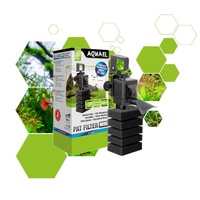
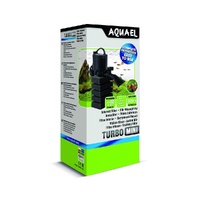
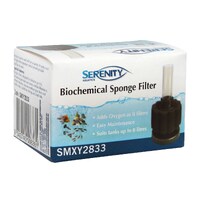
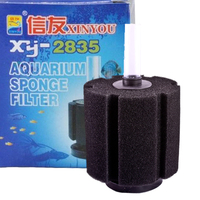
How Sponge Filters Work
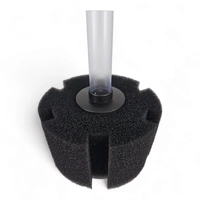
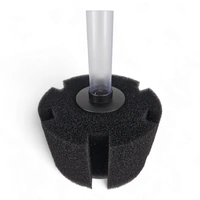
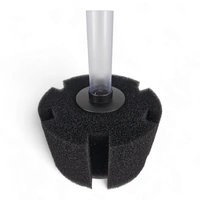
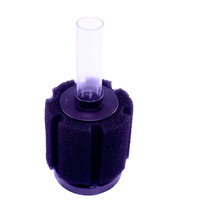
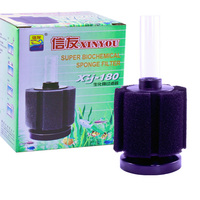
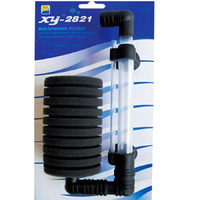
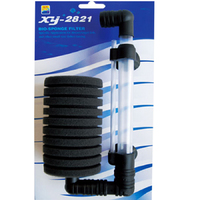
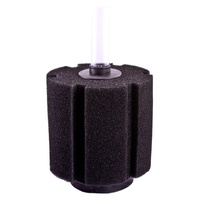
Air rising through the lift tube draws aquarium water through the sponge. The sponge traps some debris and provides surface area for beneficial bacteria, while the bubbling also promotes water movement and gas exchange.
- Gentle intake makes sponge filters popular for many fry and shrimp setups.
- Established sponges can provide valuable biological filtration.
- Airflow can often be adjusted with an airline valve or suitable pump control.
- A sponge filter may be used alone in a lightly stocked tank or as supplementary filtration in a larger system.
Choosing a Sponge Filter
Tank and Livestock
Match the filter’s physical size and stated capacity to the aquarium. Very small fry may benefit from gentle airflow, while larger or more heavily stocked tanks may need additional filtration.
Single or Dual Sponge
Dual-sponge designs provide extra sponge area and can make staged cleaning easier. Single-sponge units are compact and may suit smaller tanks.
Air Supply
Check whether an air pump, airline, non-return valve and flow control are included. Select the pump for the water depth and number of air-driven devices.
Use and Maintenance
When the sponge becomes clogged or flow falls, gently squeeze or rinse it in aquarium water removed during a water change. Avoid cleaning every established sponge or biological filter in the system at the same time.
Keep the airline and lift tube clear, position the non-return valve correctly where used, and follow the air-pump manufacturer’s installation advice.
Complete Your Setup
Complete the setup with an air pump, airline tubing and other aquarium filtration equipment.
Buy Aquarium Sponge Filters Online in Australia
Browse sponge filters for small aquariums, breeding systems and supplementary filtration. Check each product for dimensions, capacity guidance and included accessories before ordering for Australia-wide delivery.
Frequently Asked Questions
Do sponge filters need an air pump?
Most traditional sponge filters do. Check the listing because an air pump, airline and valve may be sold separately.
Are sponge filters suitable for fry and shrimp?
Their gentle intake makes them a common choice, but airflow, sponge pore size and the particular livestock still need to be considered.
Do sponge filters provide biological filtration?
Yes. Once established, the sponge provides surfaces for beneficial bacteria as aquarium water passes through it.
How often should a sponge filter be cleaned?
Clean it when debris buildup reduces flow or performance. The interval varies with tank stocking, feeding and sponge size.
Can I run a sponge filter with another filter?
Yes. Sponge filters are often used as supplementary biological filtration, backup filtration or gentle filtration in addition to another filter.
TRUSTED BY 100,000+ FISH-KEEPING ENTHUSIASTS AUSTRALIA-WIDE

Shop Now. Pay Later.
Always interest-free.

Add your favourites to cart

Select Afterpay at checkout

Log into or create your Afterpay account, with instant approval decision

Your purchase will be split into 4 payments, payable every 2 weeks
All you need to apply is to have a debit or credit card, to be over 18 years of age, and to be a resident of country offering Afterpay
Late fees and additional eligibility criteria apply. The first payment may be due at the time of purchase
For complete terms visit afterpay.com/terms