 My Account
Planted Aquarium Substrate & Aquasoil
Give your aquarium plants the right foundation with our range of planted aquarium substrates, aquasoils and plant-friendly aquarium sands.
Aquaholics Online stocks substrates for planted freshwater aquariums, aquascapes and shrimp tanks, including active aquasoils, porous clay substrates and natural aquarium sands.
Whether you're creating your first planted tank or building a detailed aquascape, choosing the right substrate can help support healthy plant roots, provide surfaces for beneficial bacteria and create the look you want in your aquarium.
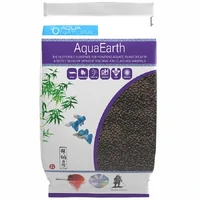
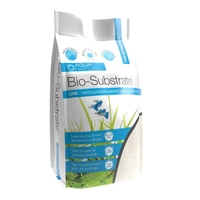
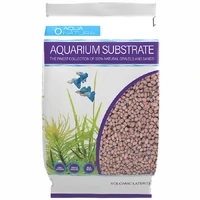
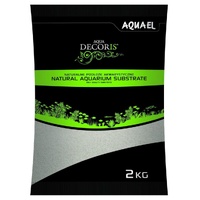
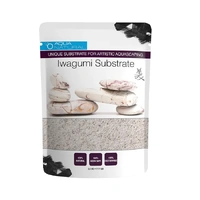
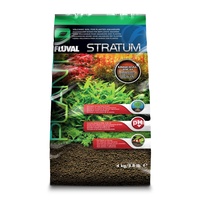
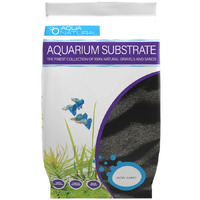
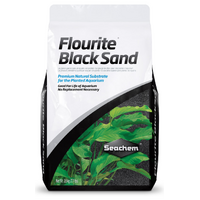
What is planted aquarium substrate?
Planted aquarium substrate is the material placed at the bottom of an aquarium to provide a foundation for aquatic plants and the overall aquascape.
Different substrates perform different roles.
Some aquasoils are active substrates designed to support plant growth while also influencing water chemistry. Other planted aquarium substrates are inert or relatively inert and provide a stable rooting medium without significantly changing aquarium water parameters.
The right option depends on the plants, fish and shrimp you intend to keep and the water conditions you want to maintain.
Aquasoil for planted aquariums
Aquasoil is a popular choice for planted freshwater aquariums because it provides a loose, plant-friendly substrate that allows aquatic roots to spread through the substrate bed.
Some aquasoils also contain nutrients or have properties that help support nutrient availability for aquarium plants.
Active aquasoils may lower or buffer pH, KH or hardness, so it's important to understand the particular product before adding it to your aquarium.
Products such as Nisso Plant Soil are designed specifically for planted freshwater aquariums and can create slightly softer, more acidic conditions while supporting plant root development.
Clay-based planted aquarium substrate
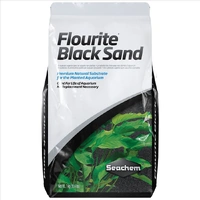
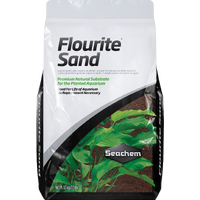
Porous clay substrates such as Seachem Flourite provide another option for planted aquariums.
Unlike active aquasoils, Flourite is designed to remain stable and does not significantly alter aquarium pH.
Its porous structure provides a long-lasting substrate that can be used as the primary substrate bed in a planted freshwater aquarium.
This makes clay-based substrate a useful option for aquarists who want a plant-friendly substrate without the water-parameter changes associated with some active aquasoils.
Can aquarium sand be used in a planted tank?
Yes. Aquarium sand can be used successfully in planted aquariums, but the needs of the plants should be considered.
Many aquarium sands are relatively inert, meaning they provide a rooting medium but little or no nutrition for plants.
Root-feeding plants grown in inert sand may benefit from root tabs or another suitable source of nutrients beneath the substrate.
Sand can be particularly useful when you want a fine, clean appearance or when combining different substrates to create paths, foreground areas and other aquascaping features.
Active vs inert aquarium substrate
One of the most important decisions when choosing a planted aquarium substrate is whether you want an active or inert substrate.
Active substrate can influence water chemistry and may help create softer, more acidic conditions. This can be useful for particular planted aquariums and some shrimp setups.
Inert substrate generally has much less effect on aquarium water chemistry. Plant nutrition can instead be supplied through root tabs, liquid fertilisers or other suitable fertilisation methods.
Neither type is automatically better. The right choice depends on your aquarium setup and the plants and livestock you intend to keep.
Choosing substrate for a shrimp tank
Planted shrimp aquariums often use aquasoil because many popular freshwater shrimp setups benefit from stable, slightly acidic conditions.
However, not every shrimp species requires the same water parameters.
Before choosing an active substrate for a shrimp aquarium, check the requirements of the particular shrimp you intend to keep and consider how the substrate may affect pH, KH and GH.
How deep should planted aquarium substrate be?
Substrate depth depends on the plants being grown and the style of aquascape you're creating.
Planted aquariums generally require enough substrate depth for roots to establish securely. Deeper substrate toward the rear of the aquarium can also be used to create slopes, height and visual perspective.
As a general approach, many planted aquariums use approximately 3–5cm or more, depending on plant choice and aquascape design.
Large rooted plants may benefit from deeper areas, while foreground plants may require less.
Do I need to rinse aquasoil?
Not necessarily.
Always follow the manufacturer's directions for the specific substrate.
Some natural sands and gravels should be rinsed to remove loose dust before use, while many active aquasoils are intended to be used directly from the bag and should not be heavily rinsed.
Rinsing the wrong product can damage the granules or remove material that is intended to remain in the substrate.
How much planted aquarium substrate do I need?
The amount required depends primarily on:
-
Aquarium length
-
Aquarium width
-
Desired substrate depth
-
Aquascape design
-
Plant selection
Rather than calculating substrate purely from aquarium volume, use the floor dimensions of the aquarium and your desired substrate depth.
Aquascapes that slope upward toward the rear or contain elevated planted areas will generally require more substrate than a flat substrate bed.
Complete Your Planted Aquarium Foundation
Combine the selected substrate with live aquarium plants, hardscape rock, aquarium wood, planted aquarium lighting and aquascaping tools. For decorative gravel, sand and broader aquarium substrate options, browse aquarium substrate, gravel and sand.
Frequently asked questions
What is the best substrate for a planted aquarium?
There isn't one substrate that's best for every planted tank. Active aquasoils are popular for heavily planted aquariums, while stable clay substrates and inert sands can also produce excellent results with appropriate fertilisation.
What is aquasoil?
Aquasoil is an aquarium substrate designed primarily for planted freshwater aquariums. Depending on the product, it may contain nutrients, provide a porous rooting medium and influence water parameters such as pH and hardness.
Does aquasoil lower aquarium pH?
Some active aquasoils can lower or buffer pH and hardness, but this varies between products. Always check the specifications of the particular aquasoil before use.
Is aquarium sand suitable for live plants?
Yes. Many aquarium plants can grow successfully in sand. Because most aquarium sands contain little plant nutrition, root-feeding plants may require root tabs or another suitable source of nutrients.
Is Seachem Flourite an aquasoil?
Flourite is better described as a stable porous clay substrate rather than a traditional active aquasoil. It is designed for planted freshwater aquariums but does not significantly alter aquarium pH.
Do planted aquarium substrates need replacing?
It depends on the substrate. Some stable mineral or clay substrates can remain in the aquarium long term, while the nutrient availability and buffering capacity of active aquasoils can gradually change over time.
Can I mix aquarium substrates?
Yes. Aquascapers often combine substrates to create different visual areas or provide different growing conditions. Consider particle size, water chemistry and whether the materials will remain separated before combining them.
Can I use planted aquarium substrate in a shrimp tank?
Yes, but choose the substrate according to the shrimp species being kept. Some active aquasoils are particularly useful for shrimp requiring softer, slightly acidic water, while other shrimp species prefer different conditions.
Planted Aquarium Substrate Australia
Aquaholics Online stocks planted aquarium substrates, aquasoils, plant-friendly sands and aquascaping substrates for freshwater aquariums and shrimp tanks.
If you're still planning your planted setup, browse our live aquarium plants alongside the substrate range so you can match your plant choice with the right rooting medium and water conditions.
Browse our range above to find the right substrate for your plants, aquascape and aquarium inhabitants.
For general aquarium gravel, decorative sand, river gravel and cichlid substrates, visit our Aquarium Substrate, Gravel & Sand range.
TRUSTED BY 100,000+ FISH-KEEPING ENTHUSIASTS AUSTRALIA-WIDE

Shop Now. Pay Later.
Always interest-free.

Add your favourites to cart

Select Afterpay at checkout

Log into or create your Afterpay account, with instant approval decision

Your purchase will be split into 4 payments, payable every 2 weeks
All you need to apply is to have a debit or credit card, to be over 18 years of age, and to be a resident of country offering Afterpay
Late fees and additional eligibility criteria apply. The first payment may be due at the time of purchase
For complete terms visit afterpay.com/terms