 My Account
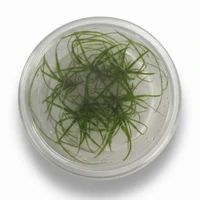
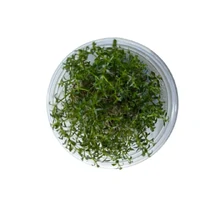
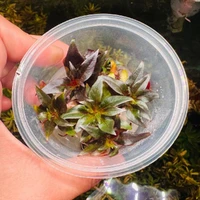
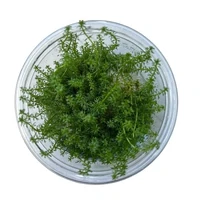
Tissue Culture Aquarium Plants
Shop tissue culture aquarium plants online at Aquaholics Online.
Tissue culture plants are an excellent choice for freshwater aquascaping and planted aquariums, offering clean, compact portions of live aquatic plants grown under sterile laboratory conditions.
They are particularly popular with aquascapers because they are generally supplied free from unwanted snails, algae and other common aquarium pests when first opened.
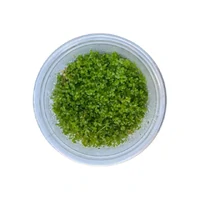
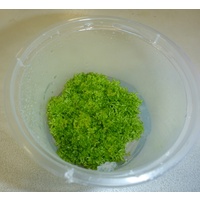
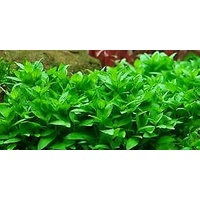
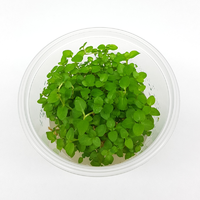
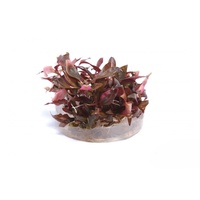
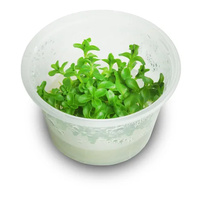
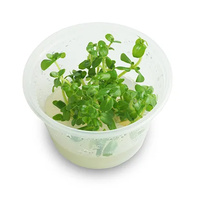
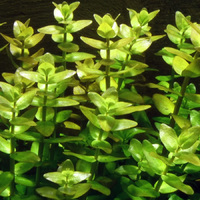
Our range may include tissue cultures such as Bacopa, Alternanthera, carpeting plants, stem plants and other freshwater aquarium species depending on availability.
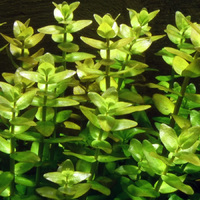
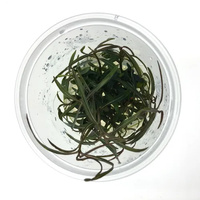
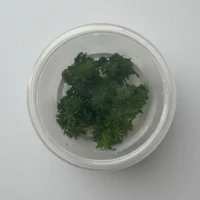
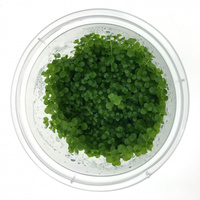
What Are Tissue Culture Aquarium Plants?
Tissue culture plants are grown in sealed containers under controlled sterile conditions.
Rather than being grown submerged in an aquarium, small plant sections are propagated in a nutrient-rich growing medium.
This allows a single container to hold many small plantlets that can be separated and planted individually.
Tissue cultures are popular because they provide:
- Clean plant material
- No unwanted snails when sealed
- Minimal risk of algae introduction
- Multiple small plants from one container
- Easy portioning for aquascaping
- Compact transport and storage
Why Choose Tissue Culture Plants?
Tissue cultures are particularly useful for aquascapers who want greater control over what enters their aquarium.
Traditional live plants can occasionally carry:
- Snails
- Snail eggs
- Algae
- Duckweed
- Other unwanted plant material
Because tissue cultures are produced under sterile conditions, they significantly reduce the risk of introducing these unwanted hitchhikers.
This makes them especially useful for:
- Aquascapes
- Shrimp tanks
- Nano aquariums
- New planted aquariums
- Carefully controlled setups
How to Prepare Tissue Culture Plants
Before planting a tissue culture:
- Open the container carefully.
- Remove the plant mass.
- Rinse away the growing gel or nutrient medium using clean water.
- Separate the plant into smaller portions.
- Trim excessively long or damaged roots if necessary.
- Plant the individual portions into the aquarium.
Removing as much culture gel as practical before planting helps keep the aquarium clean.
Aquascaping tweezers make positioning smaller plant portions considerably easier.
How to Plant Tissue Cultures
The best planting method depends on the species.
Carpeting Plants
Divide carpeting plants into many small portions and plant them several centimetres apart across the foreground.
Under suitable conditions, the plants can gradually spread and join together to form a carpet.
Stem Plants
Separate stem plants into individual pieces and plant them with enough space between stems for light and water circulation.
Rosette Plants
Small rosette plants can generally be divided into individual plants and positioned directly into the substrate.
Rhizome Plants
If the tissue culture contains a rhizome species, avoid burying the rhizome beneath the substrate.
Tissue Culture Plants for Aquascaping
Tissue cultures are extremely popular for detailed aquascapes.
Because each container can be divided into many small plants, they allow aquascapers to precisely control:
- Plant spacing
- Foreground coverage
- Carpet density
- Plant group shape
- Hardscape placement
They are especially useful where small individual plants need to be positioned around rocks, driftwood or other detailed hardscape.
Tissue Culture Carpeting Plants
Carpeting plants are one of the most popular uses for tissue culture.
Small portions can be distributed across the foreground of the aquarium to create a dense planted carpet over time.
Depending on availability, tissue-culture carpeting plants may include compact species suited to:
- Iwagumi aquascapes
- Nano tanks
- Nature aquariums
- Planted shrimp tanks
- High-tech planted aquariums
Carpeting success depends heavily on the individual plant species and the lighting, substrate, nutrients and CO2 available.
Aquarium Substrate
Most tissue-culture plants that are planted into the aquarium floor benefit from a suitable substrate.
Aquasoil is particularly popular because it provides:
- A fine rooting medium
- Nutrients for plant growth
- Easy planting with tweezers
- Support for delicate young roots
Some tissue-culture plants can also grow successfully in gravel or sand when suitable nutrients are supplied.
The correct substrate depends on the plant species.
Lighting for Tissue Culture Plants
Lighting requirements vary considerably.
Some plants can adapt to moderate lighting, while carpeting and coloured stem plants often require stronger planted aquarium lighting.
Insufficient light may result in:
- Weak growth
- Tall, stretched plants
- Poor carpeting
- Loss of colour
Lighting should always be balanced with nutrients and CO2 rather than simply using the strongest light available.
Do Tissue Culture Plants Need CO2?
Not every tissue-culture plant requires injected CO2.
The requirement depends on the species.
Easy-care plants may grow successfully in low-tech aquariums, while demanding carpeting plants and coloured stem plants often perform significantly better with CO2 supplementation.
CO2 can support:
- Faster establishment
- Compact growth
- Denser carpets
- Improved plant colour
- Healthier demanding species
Always choose plant species that match the level of equipment you intend to use.
Fertilising Tissue Culture Plants
Tissue-culture plants begin life in the aquarium as relatively small plantlets and need access to suitable nutrients as they establish.
Depending on the species and setup, plants may obtain nutrients through:
- Aquasoil
- Root fertilisers
- Liquid fertilisers
- Fish waste
- CO2 supplementation
A balanced supply of nutrients, lighting and carbon is more important than simply adding large amounts of fertiliser.
Transitioning Tissue Culture Plants to an Aquarium
Tissue cultures are grown in very different conditions from a submerged aquarium.
After planting, some species may take time to adapt.
During this transition you may notice:
- Temporary slowing of growth
- Changes in leaf shape
- Older leaves deteriorating
- New submerged growth developing
This does not always mean the plant has failed.
Stable conditions and patience are particularly important during the first few weeks.
Tissue Culture Plants for Shrimp Tanks
Tissue cultures are an excellent option for freshwater shrimp aquariums.
Their sterile growing process helps reduce the risk of introducing unwanted snails or other hitchhikers into a carefully maintained shrimp setup.
Once established, live plants provide:
- Shelter
- Biofilm surfaces
- Grazing areas
- Cover for young shrimp
- Natural structure
Smaller tissue-culture plants are particularly useful in nano shrimp aquariums.
Tissue Cultures for Nano Aquariums
Nano tanks often require smaller plants and very precise placement.
Tissue cultures are ideal because a single container can often be separated into numerous small portions.
This makes it easier to create detailed planting around:
- Small rocks
- Driftwood
- Foreground areas
- Compact hardscape
The clean format also makes them convenient for newly established nano aquascapes.
Caring for Tissue Culture Plants
For the best chance of successful establishment:
- Rinse off the culture gel thoroughly
- Separate plants into suitable portions
- Use aquascaping tweezers for planting
- Match lighting to the plant species
- Provide nutrients where required
- Use CO2 for demanding plants where appropriate
- Maintain stable water conditions
- Avoid repeatedly disturbing newly planted roots
Many tissue-culture plants need time to establish before rapid growth becomes visible.
Buy Tissue Culture Aquarium Plants Online in Australia
Aquaholics Online stocks a changing range of tissue culture aquarium plants for Australian aquascapers and freshwater aquarium enthusiasts.
Whether you're planting a nano aquarium, building a carpet, creating a shrimp tank or designing a detailed planted aquascape, tissue cultures offer a clean and versatile way to add live aquarium plants.
Browse the current range above to see which tissue culture plants are available now.
Complete Your Tissue Culture Aquascape
Prepare your layout with aquasoil or planted substrate, aquascaping tweezers and scissors, planted aquarium lighting and appropriate plant supplements. Browse all live aquarium plants for complementary species.
Frequently Asked Questions
What is a tissue culture aquarium plant?
A tissue culture is a live aquarium plant grown under sterile laboratory conditions in a sealed container containing a nutrient-rich growing medium.
Are tissue culture plants snail free?
Tissue cultures are generally produced under sterile conditions and are popular because they are supplied without the snails and snail eggs that can occasionally arrive on conventionally grown aquarium plants.
Do I need to rinse tissue culture plants?
Yes. Remove and rinse away the growing gel or nutrient medium before planting the plantlets into the aquarium.
Should tissue culture plants be separated?
Usually yes. Most containers can be divided into several smaller portions, allowing plants to be distributed throughout the aquarium.
Do tissue cultures need aquasoil?
Not always, but many rooted and carpeting plants benefit from nutrient-rich planted substrate or aquasoil.
Do tissue culture plants need CO2?
It depends on the species. Easy plants may grow without injected CO2, while demanding carpeting or coloured plants may perform much better with CO2 supplementation.
Why are my tissue culture plants melting?
Some plants experience temporary leaf deterioration while adapting from tissue-culture conditions to submerged aquarium growth. Stable water conditions and suitable lighting and nutrients help support new growth.
Are tissue cultures good for shrimp tanks?
Yes. Their clean growing process makes them particularly attractive for shrimp aquariums where avoiding unwanted snails and other hitchhikers is important.
How many plants are in a tissue culture container?
The number varies by plant and container. Most can be divided into multiple small planting portions rather than being planted as one single clump.
Are tissue culture plants good for beginners?
Some are, although ease of care depends on the species. Choose easier plant varieties if you are running a low-tech aquarium without strong lighting or CO2.
Do you ship tissue culture plants Australia-wide?
Aquaholics Online ships live aquarium plants to eligible Australian locations, subject to availability and applicable regional and biosecurity restrictions.
TRUSTED BY 100,000+ FISH-KEEPING ENTHUSIASTS AUSTRALIA-WIDE

Shop Now. Pay Later.
Always interest-free.

Add your favourites to cart

Select Afterpay at checkout

Log into or create your Afterpay account, with instant approval decision

Your purchase will be split into 4 payments, payable every 2 weeks
All you need to apply is to have a debit or credit card, to be over 18 years of age, and to be a resident of country offering Afterpay
Late fees and additional eligibility criteria apply. The first payment may be due at the time of purchase
For complete terms visit afterpay.com/terms