 My Account
Aquarium Filtration
Shop aquarium filters and filtration equipment at Aquaholics. Browse internal and external filters, sponge filters, filter media, UV sterilisers, surface skimmers and selected pond filtration from leading aquarium brands.
Choose filtration for the aquarium's actual volume, livestock load and maintenance routine. Flow rate is important, but media capacity, intake safety, noise, available space and ease of cleaning also affect whether a filter suits the setup.

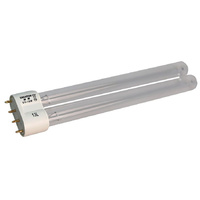
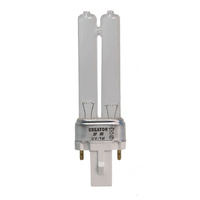
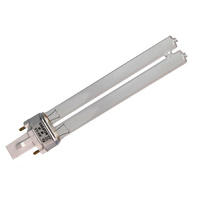
Types of Aquarium Filters
Internal filters sit inside the aquarium and combine water movement with compact mechanical and biological filtration. External and canister filters place most of the unit outside the tank and can provide greater media capacity for many medium and large aquariums.
Sponge filters use an air pump or powered lift to draw water through foam. Their gentle flow and guarded surface make them useful for breeding, shrimp and hospital setups when appropriately sized. The right type depends on the aquarium, not simply on which filter has the highest stated flow.
Mechanical, Biological and Chemical Filtration
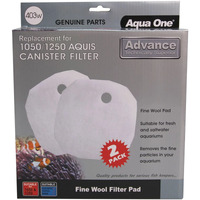
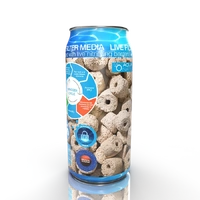
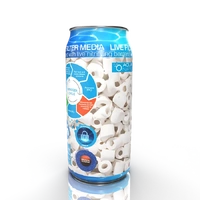
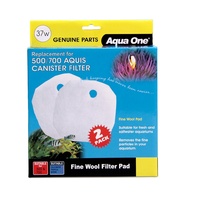
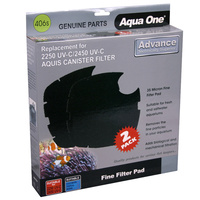
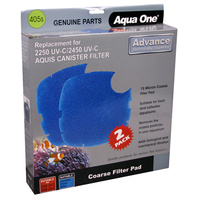
Mechanical media traps suspended debris. Biological media provides surface area for microorganisms involved in processing ammonia and nitrite. These functions are central to most stocked aquariums and depend on regular, appropriate maintenance and an established nitrogen cycle.
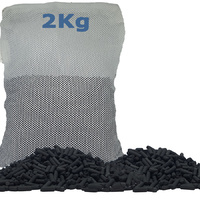
Chemical media is used for specific purposes such as adsorbing dissolved compounds, reducing discolouration or removing medication after treatment. It is useful in many situations but is not automatically required at all times in every aquarium. Choose media for a defined need and replace or regenerate it according to the manufacturer.
How to Choose Filter Capacity
Manufacturer tank-size ratings are a starting point, not a guarantee. Compare the rated flow and media volume with the aquarium's dimensions, fish size and waste production. Head height, dirty media and attachments can reduce real-world flow from the headline pump rating.
Some fish prefer strong water movement while others need calmer areas. Use the outlet direction, spray bars or flow controls where provided, and make sure surface movement and oxygenation are appropriate without exhausting the livestock.
Maintain the Biological Filter
Clean mechanical media often enough to prevent severe clogging, but avoid replacing or aggressively cleaning all established biological media at once. Follow the filter and media instructions, and use dechlorinated water or removed aquarium water when rinsing biological media if chlorine or chloramine could damage the biofilter.
Switch off and isolate electrical equipment before maintenance. Check impellers, seals, hoses and intakes regularly, and replace worn parts with compatible components.
Shop Filters, Media and Water-Care Equipment
Browse aquarium filter media, UV sterilisers and surface skimmers. Pair filtration with a suitable aquarium and routine water testing and maintenance.
Order aquarium filtration online across Australia or ask Aquaholics on the Sunshine Coast for help comparing current options.
Frequently Asked Questions
What size aquarium filter do I need?
Use the manufacturer's rating as a starting point, then consider actual water volume, livestock waste, media capacity, flow preference and the reduction in flow that occurs through installed or dirty media.
Does every aquarium need chemical filtration?
No. Chemical media is useful for defined purposes but is not automatically required continuously in every aquarium. Mechanical and biological filtration are the core functions in most stocked tanks.
How often should aquarium filter media be cleaned?
Clean it when flow drops or debris accumulates, following the filter and media directions. The interval depends on stocking, feeding, media type and filter size.
Should I replace all filter media at once?
Usually not. Replacing all established biological media can remove a large part of the biofilter. Replace media according to its function and manufacturer directions while preserving adequate established biological filtration.
Are sponge filters good for shrimp and fry?
They can be an excellent choice when correctly sized because the intake surface is gentle and provides grazing area. Flow and air-pump capacity still need to suit the aquarium.
What is the difference between an internal and external filter?
An internal filter operates inside the aquarium and saves external space. An external or canister filter sits outside the tank and often provides more media capacity, but needs room for the unit and hoses.
TRUSTED BY 100,000+ FISH-KEEPING ENTHUSIASTS AUSTRALIA-WIDE

Shop Now. Pay Later.
Always interest-free.

Add your favourites to cart

Select Afterpay at checkout

Log into or create your Afterpay account, with instant approval decision

Your purchase will be split into 4 payments, payable every 2 weeks
All you need to apply is to have a debit or credit card, to be over 18 years of age, and to be a resident of country offering Afterpay
Late fees and additional eligibility criteria apply. The first payment may be due at the time of purchase
For complete terms visit afterpay.com/terms