Aquarium Substrate, Gravel & Sand

Create the right foundation for your aquarium with our range of aquarium substrate, gravel and sand. Whether you're setting up a freshwater community tank, planted aquarium, cichlid tank or creating a new aquascape, the substrate you choose can make a big difference to both the appearance and function of your aquarium.

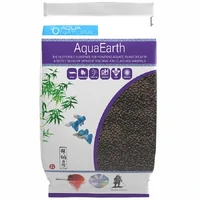
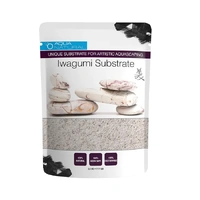
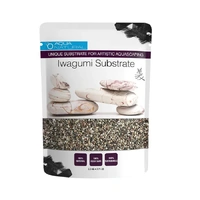
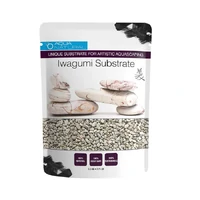
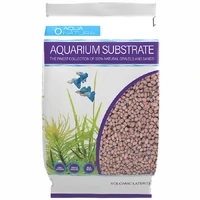
At Aquaholics Online, you'll find aquarium gravel, natural river gravel, aquarium sand, planted tank substrates, aquasoil and specialised substrates from trusted aquarium brands.

Choose from natural colours, white and black sands, decorative gravels, plant-friendly substrates and buffering substrates for aquariums that require specific water conditions.

Choosing the right aquarium substrate

The best substrate depends on the type of aquarium you're creating and the fish, plants and other livestock you plan to keep.

Some substrates are primarily decorative, while others can provide additional benefits such as supporting plant roots, providing surface area for beneficial bacteria or influencing aquarium water chemistry.

Before choosing a substrate, consider the fish you keep, whether your aquarium will contain live plants and whether you need the substrate to affect or maintain particular water parameters.

Aquarium gravel

Aquarium gravel is a versatile choice for many freshwater aquariums.

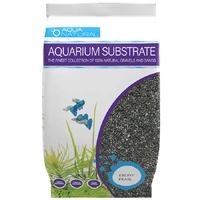
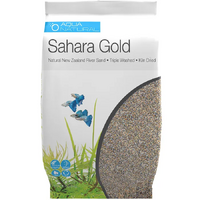
Natural river gravels can create a realistic aquarium environment and are available in a range of colours and particle sizes to suit different aquascaping styles.

Gravel also provides substantial surface area for beneficial bacteria and is relatively easy to maintain with a suitable gravel cleaner.

When choosing gravel, consider the fish you intend to keep. Bottom-dwelling fish and species that regularly interact with the substrate may benefit from smoother, appropriately sized material.

Aquarium sand

Aquarium sand creates a clean, natural-looking substrate and is popular in freshwater, cichlid and aquascaped aquariums.

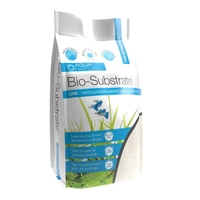
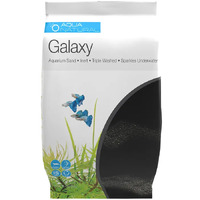
Our range includes white, black and natural-coloured aquarium sands, allowing you to create anything from a bright display tank to a darker, more natural aquascape.

Fine substrates can also be useful for fish that naturally sift or forage through the substrate, provided the particular sand is suitable for the species being kept.

Planted aquarium substrate & aquasoil

For aquariums containing live plants, substrate choice can play an important role in plant growth.

Dedicated planted aquarium substrates and aquasoils can provide a suitable environment for plant roots and, depending on the product, may contain or retain nutrients required by root-feeding aquarium plants.

Inert gravel and sand can also be used in planted aquariums, but additional plant fertilisation or root tabs may be required depending on the plants being grown.

For dedicated planted-tank products, browse our Planted Aquarium Substrate & Aquasoil range.

Cichlid substrate & aragonite

Some aquariums require substrate that does more than simply cover the bottom of the tank.

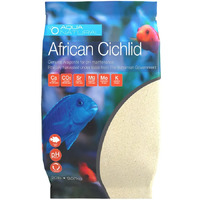
Aragonite and calcium-based substrates can influence water hardness and alkalinity, making them useful in aquarium setups where harder, more alkaline conditions are appropriate.

These substrates are commonly considered for African cichlid aquariums and other setups where maintaining suitable mineral content and pH stability is important.

Always choose substrate according to the requirements of the fish you keep rather than using a buffering substrate in every aquarium.

Natural river gravel

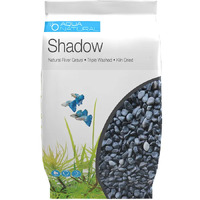
Natural river gravel is an excellent option for creating a more natural-looking freshwater aquarium.

Colours and particle sizes can vary between products, allowing you to create different styles ranging from light, bright aquariums through to darker riverbed-inspired displays.

Natural gravel works particularly well with rocks, driftwood and live plants when creating a natural aquascape.

Does aquarium substrate help beneficial bacteria?

Yes. Aquarium gravel, sand and other porous substrates provide additional surfaces where beneficial microorganisms can colonise.

These bacteria form part of the aquarium's biological ecosystem and work alongside the bacteria living within your filter media and on other aquarium surfaces.

However, substrate does not replace proper aquarium filtration or regular water changes.

How much aquarium substrate do I need?

The amount of substrate required depends on the dimensions of your aquarium and how deep you want the substrate bed to be.

For a simple decorative aquarium, a shallower layer may be sufficient.

Planted aquariums generally benefit from greater substrate depth so plants have sufficient room for root development. Aquascapes may also use deeper areas toward the back of the aquarium to create height and perspective.

When calculating how much substrate you need, consider the length and width of the aquarium as well as the desired substrate depth, rather than relying only on the aquarium's litre capacity.

Should I choose aquarium sand or gravel?

Both sand and gravel can work extremely well in freshwater aquariums.

Gravel is a versatile choice that is relatively easy to clean and works well in many general freshwater setups.

Sand creates a finer, smoother appearance and can be particularly useful for aquascaping or fish that naturally interact with fine substrates.

The best choice ultimately depends on your fish, plants, maintenance preferences and the appearance you're trying to create.

Does aquarium substrate affect pH?

Some substrates can affect aquarium water chemistry, while others are designed to remain relatively inert.

Calcium carbonate and aragonite-based substrates can increase or help maintain hardness and alkalinity and may influence pH.

Many quartz, river gravel and specialised inert substrates have much less effect on water chemistry.

Always check the specifications of the particular substrate before adding it to an established aquarium.

Frequently asked questions

What is the best substrate for a freshwater aquarium?

There isn't one substrate that's best for every freshwater aquarium. The right choice depends on the fish, plants and water conditions required. Natural gravel and aquarium sand work well for many community tanks, while planted aquariums may benefit from specialised plant substrate or aquasoil.

Is sand or gravel better for an aquarium?

Both can be excellent choices. Gravel is versatile and easy to maintain, while sand provides a finer appearance and may suit fish that naturally forage or sift through substrate. Choose according to the requirements of your aquarium inhabitants.

What substrate should I use for aquarium plants?

Dedicated planted aquarium substrates and aquasoils are designed specifically for planted tanks. Inert sand and gravel can also be used successfully with suitable fertilisation and root tabs where required.

Can aquarium substrate change the pH?

Yes, some substrates can. Aragonite and other calcium carbonate-based substrates can influence hardness, alkalinity and pH. Inert substrates generally have less effect on water chemistry.

Do I need to wash aquarium gravel before use?

Follow the instructions supplied with the individual substrate. Many natural gravels and sands should be rinsed before use to remove loose dust, while some specialised planted substrates and aquasoils should not be heavily rinsed.

How deep should aquarium substrate be?

It depends on the aquarium. A simple decorative setup may only require a relatively shallow substrate bed, while planted tanks generally require greater depth to support plant roots. Aquascapes may intentionally use varying depths to create slopes and perspective.

Can beneficial bacteria live in aquarium gravel?

Yes. Gravel and other aquarium substrates provide additional surface area where beneficial bacteria and microorganisms can colonise. Your aquarium filter remains the primary location for biological filtration in most setups.

What substrate is best for cichlids?

That depends on the cichlid species. African Rift Lake cichlids that require harder, alkaline water may benefit from an appropriate aragonite or calcium-based substrate. Other cichlids may have different requirements, so substrate should be selected according to the species being kept.

Aquarium substrate, gravel & sand Australia

Aquaholics Online stocks aquarium substrates for freshwater fishkeepers, planted tank enthusiasts, aquascapers and cichlid keepers across Australia.

Browse our range of aquarium gravel, aquarium sand, natural river gravel, planted aquarium substrate, aquasoil and specialised cichlid substrates to find the right foundation for your aquarium.

TRUSTED BY 100,000+ FISH-KEEPING ENTHUSIASTS AUSTRALIA-WIDE