 My Account
Freshwater Catfish
Shop freshwater aquarium catfish, including Bristlenose Catfish, Corydoras, Plecos and specialised L-number species. These fascinating bottom-dwelling fish are popular for their interesting behaviour, distinctive appearance and suitability for many freshwater aquariums.
Catfish vary greatly in adult size, diet and temperament. Check the requirements of the individual species before purchasing, or contact our aquarium team if you need help choosing the right catfish for your setup.
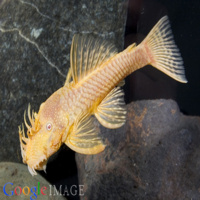
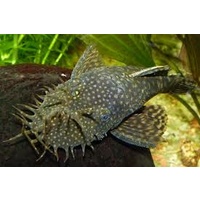
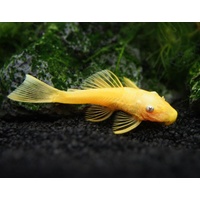
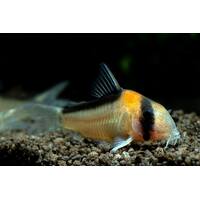
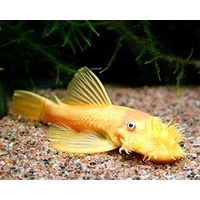
$11.80
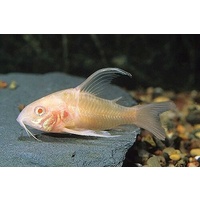
$9.90
$8.26
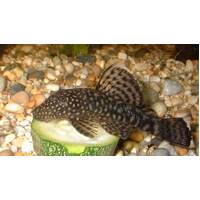
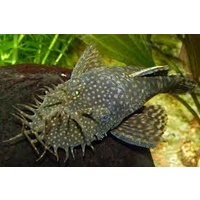
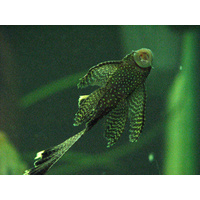
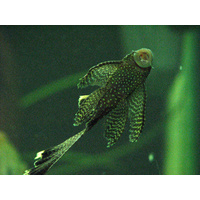
Freshwater Catfish for Australian Aquariums
Freshwater catfish are an incredibly diverse group of aquarium fish. They range from small, social Corydoras to algae-grazing Bristlenose Catfish and distinctive Plecos with specialised care requirements.
Some catfish are ideal for peaceful community aquariums, while others grow much larger or require specific food, water conditions and aquarium layouts. Always choose fish according to their expected adult size rather than their size when offered for sale.
Popular Types of Aquarium Catfish
Bristlenose Catfish
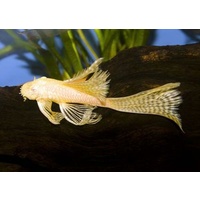
Bristlenose Catfish are among the most popular catfish kept in Australian aquariums. They are generally peaceful and can suit many community setups when provided with appropriate food, shelter and water conditions.
Common, Albino, Longfin and Blue Eye Lemon Bristlenose varieties may be available depending on current livestock supply. Although Bristlenose graze on some algae and biofilm, they still require a complete, species-appropriate diet.
Corydoras Catfish
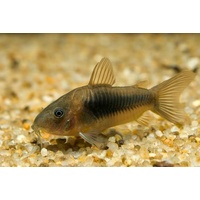
Corydoras Catfish are small, peaceful fish known for their active bottom-foraging behaviour. They are social fish and generally do best in a suitable group rather than being kept individually.
Corydoras spend much of their time exploring the aquarium floor. Smooth sand or fine, non-abrasive substrate helps support this natural behaviour while protecting their sensitive barbels.
Plecos and L-Number Catfish
L-number Plecos are popular for their colours, patterns and unusual body shapes. The L-number system is used to identify many loricariid catfish, particularly species that were awaiting or lacked a confirmed scientific classification when introduced to the aquarium trade.
Care requirements vary considerably between Pleco species. Some remain relatively compact, while others grow into very large fish. Diet, preferred water conditions, temperament and the need for caves or driftwood must be checked for the individual species.
Choosing Catfish for Your Aquarium
Before adding freshwater catfish, consider:
- Expected adult size
- Recommended aquarium dimensions
- Whether the fish should be kept in a group
- Temperament and compatibility
- Temperature, pH and water hardness
- Diet and feeding position
- Substrate requirements
- Need for caves, wood or shaded areas
- Filtration and maintenance requirements
A peaceful Corydoras may suit a community aquarium that would be unsuitable for a large or territorial Pleco. Research the exact variety instead of assuming all aquarium catfish need the same conditions.
Setting Up an Aquarium for Catfish
Many catfish appreciate sheltered areas where they can rest during the day. Depending on the species, the aquarium can include caves, plants, rocks, shaded sections and securely positioned aquarium driftwood.
The most appropriate aquarium substrate depends on the fish. Smooth sand or fine substrate is generally suitable for Corydoras because it allows natural foraging. Avoid sharp materials where bottom-dwelling fish regularly rest or search for food.
Reliable aquarium filtration is particularly important because waste can collect around the lower areas of the aquarium. Larger Bristlenose and Plecos can also produce more waste than new fishkeepers expect. Combine suitable filtration with regular water changes and substrate cleaning.
Feeding Freshwater Catfish
Catfish should not be expected to survive on algae, leftover food or waste. They need a complete diet suited to their species.
Suitable foods may include:
- Sinking catfish pellets
- Algae and vegetable-based wafers
- Spirulina foods
- Fresh vegetables where appropriate
- Protein-rich sinking foods
- Frozen foods for suitable species
Browse our range of catfish food for sinking pellets and wafers designed to reach bottom-feeding fish. Make sure enough food reaches the aquarium floor when catfish share a tank with fast-feeding surface and mid-water species.
Do Catfish Clean the Aquarium?
Some catfish, particularly Bristlenose, graze on certain algae and biofilm. However, no catfish replaces proper filtration, water changes or aquarium cleaning.
Different species consume different foods, and many will not eat the particular algae growing in an aquarium. Catfish purchased for algae grazing must still receive an appropriate diet and suitable long-term care.
Catfish Tank Mates
Many freshwater catfish can live successfully with peaceful community fish. Corydoras often suit aquariums containing compatible Tetras, Guppies, Rasboras and Gouramis, while Bristlenose can also work well in many community setups.
Larger or more territorial Plecos require more careful planning. Consider adult size, available floor space, hiding places and whether other fish compete for the same territory. Small peaceful catfish should not be combined with large predatory or highly aggressive fish.
Freshwater Catfish and Live Plants
Many catfish can be kept in planted aquariums. Live aquarium plants provide shelter, shaded areas and a more natural environment while leaving open substrate available for feeding and foraging.
Large Plecos may accidentally dislodge delicate plants, while some species may graze on softer plant growth. Suitability therefore depends on the particular catfish and how securely the aquarium is planted.
Buy Freshwater Catfish Online in Australia
Aquaholics Online stocks a changing range of freshwater catfish for Australian fishkeepers, with local aquarium support available from our Baringa store on the Sunshine Coast.
Live fish can be delivered to eligible Australian locations, subject to availability, weather, destination restrictions and biosecurity requirements. Review our live fish purchasing and delivery information before ordering.
Frequently Asked Questions
What are the best catfish for a community aquarium?
Bristlenose Catfish and many Corydoras species are popular choices for peaceful freshwater community aquariums. Suitability still depends on aquarium size, water conditions and the other fish being kept.
Do Bristlenose Catfish eat algae?
Bristlenose Catfish commonly graze on some algae and biofilm. They still require a balanced diet that includes suitable sinking and vegetable-based foods.
Do Corydoras need to be kept in groups?
Corydoras are social fish and generally do best in a suitable group rather than being kept individually. The appropriate group size depends on the species and available aquarium space.
What substrate is best for Corydoras?
Smooth sand or fine, non-abrasive substrate is generally preferred because Corydoras naturally forage along the aquarium floor using their sensitive barbels.
Do all Plecos need driftwood?
No. Some Pleco species benefit from or require access to driftwood, while others do not depend on it in the same way. Check the requirements of the particular species before purchase.
Do catfish clean the aquarium?
Some catfish graze on algae or food that reaches the bottom, but they do not replace filtration, water changes or regular aquarium cleaning.
Do you deliver freshwater catfish Australia-wide?
Aquaholics Online delivers live fish to eligible Australian locations. Delivery depends on livestock availability, destination restrictions, weather and biosecurity requirements.
TRUSTED BY 100,000+ FISH-KEEPING ENTHUSIASTS AUSTRALIA-WIDE

Shop Now. Pay Later.
Always interest-free.

Add your favourites to cart

Select Afterpay at checkout

Log into or create your Afterpay account, with instant approval decision

Your purchase will be split into 4 payments, payable every 2 weeks
All you need to apply is to have a debit or credit card, to be over 18 years of age, and to be a resident of country offering Afterpay
Late fees and additional eligibility criteria apply. The first payment may be due at the time of purchase
For complete terms visit afterpay.com/terms