My Account
$155.20
FREE SHIPPING on all orders over $150 Exclusions Apply
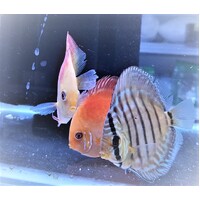
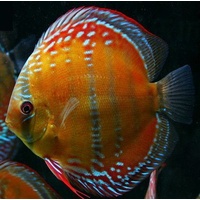
Shop beautiful Discus Fish online at Aquaholics Online.
Discus are distinctive freshwater Cichlids known for their round body shape, striking colours and graceful swimming behaviour. Native to the Amazon basin in South America, Discus have become one of the most sought-after feature fish for large tropical freshwater aquariums.
Our range may include a variety of Discus colours, patterns and sizes depending on livestock availability.
$155.20
$349.00
$59.00
$119.00
$119.00
$69.00
$81.28
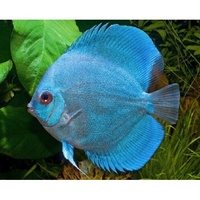
$113.80
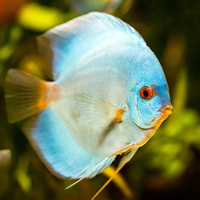
$99.00
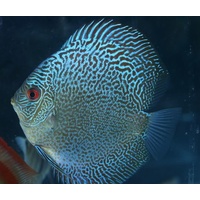
$341.12
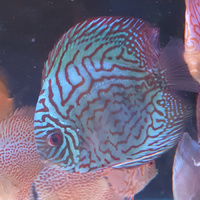
$287.84
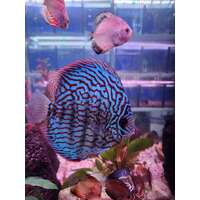
$384.00
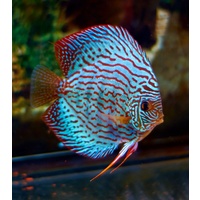
$54.00
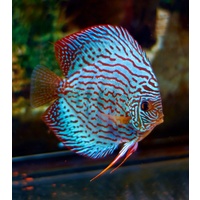
$99.85
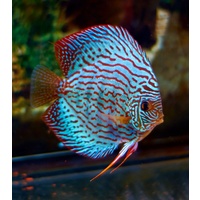
$144.00
Discus can create an impressive centrepiece in a well-planned freshwater aquarium.
Although they have a reputation for being more demanding than many community fish, successful Discus keeping largely comes down to providing:
Stable warm water
Excellent water quality
Suitable aquarium size
Reliable filtration
Appropriate tank mates
A quality varied diet
Consistent aquarium maintenance
Discus generally do best in established aquariums where sudden changes in temperature or water chemistry can be avoided.
Discus grow into substantial fish. Adults are commonly around 15 cm long, while some domestic strains and well-grown individuals can approach 20 cm depending on how the fish is measured.
A larger aquarium provides more swimming room, greater water stability and enough space to maintain a suitable group.
For a group of adult Discus, a larger aquarium around 120 cm (4ft) or more is generally a better starting point than a small tank.
Aquarium height is also worth considering because of the tall, round body shape of adult Discus.
Discus are social Cichlids and are commonly maintained in groups.
Keeping a suitable group can help spread natural social behaviour and reduce the chance of a single weaker fish receiving constant attention from more dominant individuals.
Tank size, filtration and stocking levels should always be considered together when deciding how many Discus to keep.
Established breeding pairs may be maintained differently from juvenile or display groups.
Discus prefer warmer water than many common tropical community fish.
Consistent temperature is particularly important, so a reliable thermostatically controlled aquarium heater should be used.
Many Discus aquariums are maintained in the upper tropical temperature range, although exact requirements can vary depending on the fish and the conditions in which they were raised.
Avoid sudden temperature fluctuations.
Excellent water quality is one of the most important parts of Discus care.
A successful Discus aquarium should have:
Reliable biological filtration
Regular water changes
Stable water chemistry
Low levels of accumulated waste
Consistent temperature
Sensible feeding
Discus can be less tolerant of poor water conditions than many hardy community fish.
Regular maintenance is therefore more important than constantly attempting to adjust water parameters.
Choose aquarium filtration capable of handling the size and number of fish being kept.
Good biological filtration helps process waste, while mechanical filtration removes suspended debris from the water.
Discus appreciate clean water but do not necessarily require extremely strong current throughout the aquarium.
External canister filters, suitable internal filters and other well-designed filtration systems can all work depending on the aquarium.
Discus benefit from a varied, high-quality diet.
Suitable foods can include:
Quality Discus pellets
Premium Cichlid foods
Frozen foods
Brine shrimp
Suitable insect or crustacean-based foods
Other high-quality protein-rich foods
Juvenile Discus may benefit from smaller, more frequent meals while growing.
Avoid excessive feeding, as uneaten food can quickly reduce water quality.
Discus are generally relatively peaceful Cichlids, but tank mates need to tolerate the same warm water conditions.
Possible companions can include carefully selected:
Corydoras suited to warmer temperatures
Tetras
Cardinal Tetras
Rummynose Tetras
Peaceful dwarf Cichlids
Suitable Bristlenose Catfish
Avoid aggressive, highly competitive or persistent fin-nipping fish.
Very active feeders can also make it difficult for slower Discus to receive enough food.
Discus can look spectacular in planted aquariums.
Live plants can provide natural structure, shaded areas and an attractive environment without taking away too much open swimming space.
Suitable planted Discus aquariums may include:
Anubias
Java Fern
Amazon Swords
Cryptocoryne
Vallisneria
Other plants tolerant of warmer water
When selecting aquarium plants, make sure their preferred temperature range is compatible with the warmer conditions commonly used for Discus.
A Discus aquarium can combine open swimming areas with natural hardscape and plants.
Useful elements can include:
Driftwood
Smooth rocks
Live plants
Sand or fine substrate
Tall background plants
Open central swimming areas
Avoid overcrowding the tank with hardscape.
Discus have large bodies and appreciate enough open space to move comfortably through the aquarium.
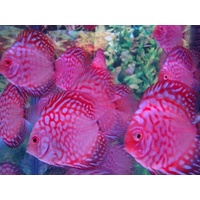
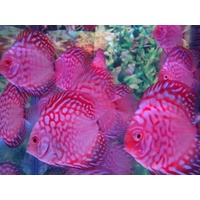
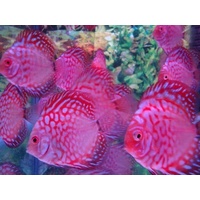
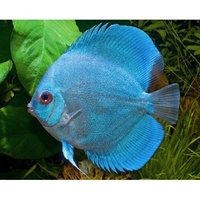
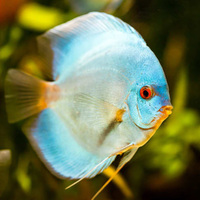
Selective breeding has produced Discus in an enormous range of colours and patterns.
Depending on availability, varieties may include shades and combinations of:
Blue
Red
Turquoise
Yellow
Orange
White
Patterned and spotted varieties
Colour and pattern can continue developing as the fish mature, so juvenile Discus may look different from their eventual adult appearance.
When selecting Discus, look for fish that are:
Active and alert
Swimming normally
Feeding well
Maintaining a full body shape
Free from obvious external damage
Holding their fins naturally
As with all live aquarium fish, individual colour, markings and size will naturally vary.
Aquaholics Online stocks Discus when suitable livestock is available.
Because Discus availability can vary considerably, individual colours, patterns and sizes may change throughout the year.
Browse the current range above to see which Discus are currently available.
Support stable conditions with reliable aquarium filtration, accurate aquarium heating, suitable cichlid food and compatible live aquarium plants. Review our live fish shipping information before ordering.
Discus require more consistent water quality and temperature than many beginner tropical fish, but they can be successfully maintained when the aquarium is properly established and regular maintenance is carried out.
Adult Discus are commonly around 15 cm long, although some domestic strains and well-grown individuals can approach 20 cm depending on how the fish is measured.
Discus benefit from larger aquariums because of their adult size, social behaviour and need for stable water conditions. For a group, an aquarium around 120 cm (4ft) or larger is generally preferable.
Discus are social Cichlids and are commonly kept in suitable groups. Established breeding pairs may be maintained separately.
Discus prefer warm tropical water. Consistent temperature is important, and a reliable aquarium heater should be used.
Discus benefit from a varied diet including quality Discus or Cichlid pellets and appropriate frozen or protein-rich foods.
Yes. Selected peaceful Tetras that tolerate warmer water, such as Cardinal or Rummynose Tetras, are commonly kept with Discus.
Some Corydoras can be suitable, but choose species capable of comfortably tolerating the warmer temperatures used in a Discus aquarium.
Yes. Discus can be maintained in beautiful planted aquariums provided the plants tolerate warm water and enough open swimming space remains available.
They need effective filtration and excellent water quality, but excessive current is not necessary. Choose filtration appropriate to the aquarium volume and number of fish.
Aquaholics Online ships live fish to eligible Australian locations, subject to livestock availability, regional restrictions and biosecurity requirements.


Add your favourites to cart

Select Afterpay at checkout

Log into or create your Afterpay account, with instant approval decision

Your purchase will be split into 4 payments, payable every 2 weeks
All you need to apply is to have a debit or credit card, to be over 18 years of age, and to be a resident of country offering Afterpay
Late fees and additional eligibility criteria apply. The first payment may be due at the time of purchase
For complete terms visit afterpay.com/terms