 My Account
Corydoras Catfish
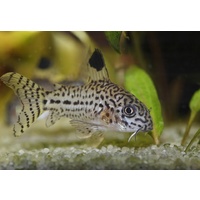
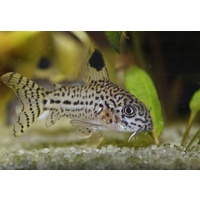
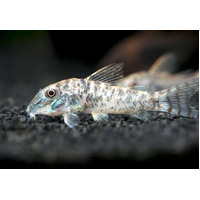
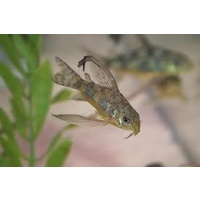
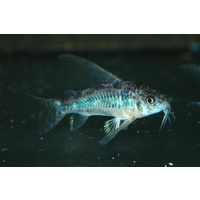
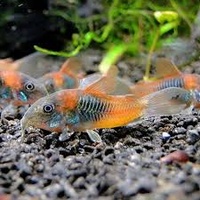
Shop our changing range of Corydoras Catfish, including popular Panda, Bronze, Peppered, Sterbai, Albino and other Cory varieties. These peaceful freshwater catfish are known for their social behaviour and active foraging along the aquarium floor.
Corydoras generally do best in suitable groups with peaceful tank mates. Adult size, temperature and water requirements vary between species, so check the individual listing or contact our aquarium team if you need help choosing the right Corys.
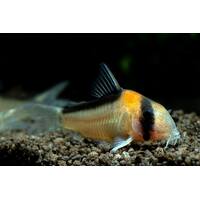
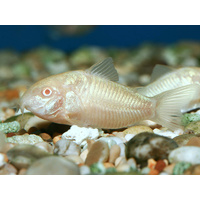
$11.80
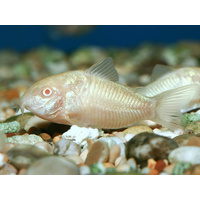
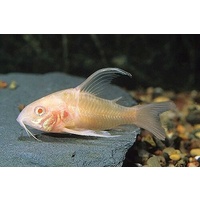
$9.90
$9.60
$17.00
$16.68
$16.06
$19.00
$13.39
Corydoras Catfish for Australian Aquariums
Corydoras, commonly called Cory Cats, are small freshwater catfish native to South America. Their peaceful temperament, social behaviour and constant activity make them popular additions to suitable community aquariums.
They spend much of their time exploring the lower areas of the aquarium, searching the substrate for food and resting beneath plants or aquarium decorations. Browse our broader freshwater catfish range to compare Corydoras with Bristlenose and Pleco varieties.
Keeping Corydoras in Groups
Corydoras are social fish and generally feel more secure when kept in a suitable group. Group living can encourage more natural behaviour, including collective foraging, resting and swimming.
Wherever practical, choose a group of the same Corydoras species. The appropriate group size depends on the species, adult size, aquarium footprint and filtration capacity. A suitable group is preferable to keeping a single Corydoras alone.
Choosing the Right Corydoras
Corydoras species are not identical in their care requirements. Before purchasing, consider:
- Expected adult size
- Available aquarium floor space
- Recommended group size
- Temperature range
- Preferred pH and water hardness
- Compatibility with existing fish
- Substrate and feeding requirements
Some Corydoras tolerate warmer tropical conditions better than others, while certain species prefer cooler water. Check the requirements of the individual variety rather than applying one temperature range to every Corydoras.
Popular Corydoras Varieties
Bronze and Albino Corydoras
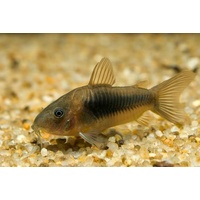
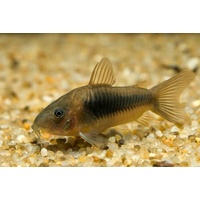
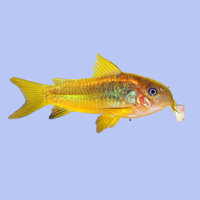
Bronze Corydoras are peaceful, active and commonly kept in freshwater community aquariums. Many Albino Corydoras sold in the aquarium trade are colour forms closely associated with the Bronze Cory group and have broadly similar care needs.
Panda Corydoras
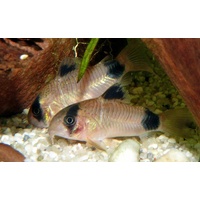
Panda Corydoras are recognised by their contrasting pale body and dark markings. They are attractive, social fish that should be kept with suitable peaceful tank mates and stable water conditions.
Sterbai Corydoras
Sterbai Corydoras have a distinctive spotted pattern with warm orange colouring through parts of the fins. They are often considered for warmer community aquariums, although the complete requirements of all tank inhabitants must still be compatible.
Peppered Corydoras
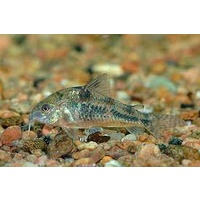
Peppered Corydoras have a mottled pattern and active personality. They can prefer cooler conditions than some other commonly kept Corydoras, so check the required temperature before combining them with warm-water species.
Dwarf Corydoras
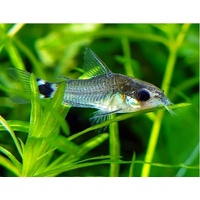
Small species such as Pygmy and Hastatus Corydoras can suit appropriately sized aquariums. Some dwarf Corys spend more time swimming above the substrate than larger varieties, but they still need suitable group numbers, food and water quality.
Best Substrate for Corydoras
A smooth, fine substrate allows Corydoras to forage naturally using their barbels. Aquarium sand is a popular choice because the fish can search through it for food without encountering sharp or abrasive edges.
If using gravel, select a smooth product and keep it clean. Avoid sharp materials that could damage fish as they forage or rest on the aquarium floor. Browse our aquarium sand, gravel and substrate range when planning your setup.
Feeding Corydoras
Corydoras may eat food that reaches the aquarium floor, but they should not be treated as scavengers that survive only on leftovers. They need a complete diet designed for bottom-feeding fish.
Suitable foods can include:
- Sinking catfish pellets
- Bottom-feeder wafers
- Small sinking granules
- Appropriately sized frozen foods
- Species-appropriate protein-rich foods
Explore our catfish food range for sinking pellets and wafers. Feed carefully when Corydoras share an aquarium with fast-feeding fish to ensure enough food reaches the bottom.
Aquarium Setup and Water Quality
Corydoras need clean, stable water and sufficient floor space. Useful aquarium features include:
- Smooth sand or fine substrate
- Open areas for feeding and foraging
- Plants and shaded resting areas
- Driftwood and smooth aquarium decorations
- Gentle hiding places
- Reliable filtration with calmer areas for resting
Use appropriately sized aquarium filtration and perform regular water changes. Waste should not be allowed to accumulate around the substrate because Corydoras spend much of their time in direct contact with the aquarium floor.
Corydoras and Live Plants
Corydoras are generally well suited to planted aquariums and do not normally damage healthy plants. Live aquarium plants can provide cover, shade and a more natural environment.
Leave some open substrate between planted areas so the fish have room to forage. Make sure plants, rocks and wood are positioned securely without trapping narrow spaces where bottom-dwelling fish could become stuck.
Corydoras Tank Mates
Potential tank mates include peaceful community fish with compatible temperature and water requirements. Avoid large predatory fish or aggressive species that may chase, injure or outcompete Corydoras.
Compatibility should be assessed using the exact Corydoras species and the temperament of the other fish. Aquarium footprint, group size and access to food are just as important as the aquarium’s total water volume.
Buy Corydoras Catfish Online in Australia
Aquaholics Online stocks a changing selection of Corydoras for Australian fishkeepers, with local aquarium support available from our Baringa store on the Sunshine Coast.
Live fish can be delivered to eligible Australian locations, subject to availability, weather, destination restrictions and biosecurity requirements. Read our live fish purchasing and delivery information before ordering.
Corydoras Size – How Big Do Cory Cats Grow?
Most Corydoras stay relatively small, but adult size varies considerably between species. Many popular Cory cats grow to around 5–7cm, while dwarf species such as Corydoras hastatus remain much smaller. Always check the individual species before buying, as Corydoras size can affect the aquarium space and group size required.
Frequently Asked Questions
How many Corydoras should be kept together?
Corydoras are social fish and generally do best in a suitable group. The appropriate number depends on the species, adult size, aquarium footprint and filtration, but keeping several compatible Corydoras is preferable to keeping one alone.
What substrate is best for Corydoras?
Smooth sand or fine, non-abrasive substrate is generally preferred because Corydoras naturally forage along the aquarium floor using their barbels.
Do Corydoras clean the aquarium?
Corydoras may eat food that reaches the bottom, but they are not aquarium cleaners. They need a complete diet and do not replace filtration, water changes or substrate maintenance.
What do Corydoras eat?
Suitable foods include sinking catfish pellets, bottom-feeder wafers, small sinking granules and appropriately sized frozen foods. Dietary needs can vary between species.
Can Corydoras live with Betta fish?
They sometimes can when the aquarium provides enough space and the temperature requirements of both species are compatible. Individual Betta behaviour varies, so the fish should be monitored carefully.
Why do Corydoras swim to the surface?
Corydoras can naturally make occasional trips to the surface to take in air. Frequent or unusual surface activity can also justify checking water quality, temperature and oxygen levels.
Do you deliver Corydoras Australia-wide?
Aquaholics Online delivers live fish to eligible Australian locations. Delivery depends on livestock availability, weather, destination restrictions and biosecurity requirements.
TRUSTED BY 100,000+ FISH-KEEPING ENTHUSIASTS AUSTRALIA-WIDE

Shop Now. Pay Later.
Always interest-free.

Add your favourites to cart

Select Afterpay at checkout

Log into or create your Afterpay account, with instant approval decision

Your purchase will be split into 4 payments, payable every 2 weeks
All you need to apply is to have a debit or credit card, to be over 18 years of age, and to be a resident of country offering Afterpay
Late fees and additional eligibility criteria apply. The first payment may be due at the time of purchase
For complete terms visit afterpay.com/terms