 My Account
Bunched Aquarium Plants
Shop live bunched aquarium plants online at Aquaholics Online.
Bunched plants are a popular way to quickly add height, colour and natural structure to freshwater aquariums and planted tanks. Many are fast-growing stem plants that can be planted directly into aquarium substrate and trimmed regularly to create dense, healthy growth.
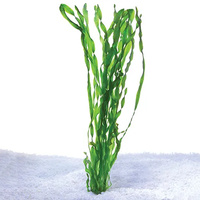
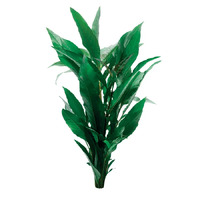
Our range may include popular aquarium plants such as Rotala, Ambulia, Bacopa, Cardamine, Blue Stricta, Hornwort, Vallisneria and other freshwater varieties depending on availability.
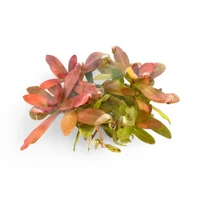
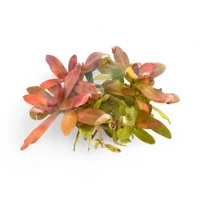
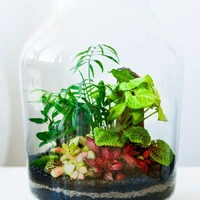
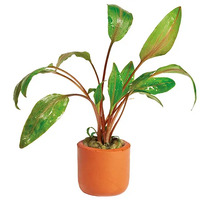
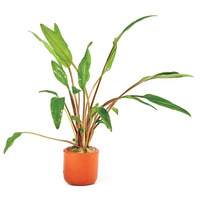
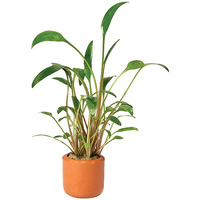
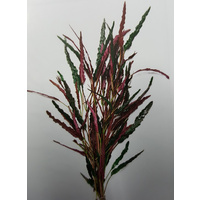
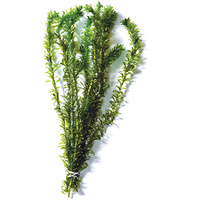
$11.95
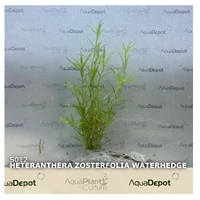
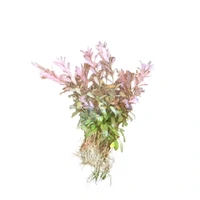
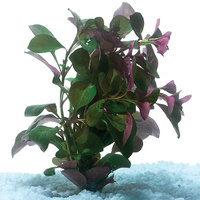
$11.95
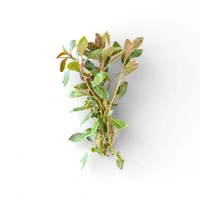
$11.95
What Are Bunched Aquarium Plants?
Bunched aquarium plants are generally supplied as a group of individual stems or plants held together for transport.
Before planting, the bunch should usually be carefully separated so individual stems can be positioned in the aquarium.
Planting stems separately allows:
- Better water circulation
- More light around each stem
- Stronger root development
- Easier aquascaping
- More natural-looking growth
Avoid planting the entire bunch tightly together unless the individual species specifically benefits from that planting method.
Bunched Plants for Planted Aquariums
Bunched plants are especially useful for quickly filling larger areas of a planted aquarium.
They are commonly used to create:
- Background planting
- Midground planting
- Dense plant groups
- Colour contrast
- Natural screening
- Cover for fish and fry
Fast-growing varieties can create a lush planted appearance relatively quickly under suitable conditions.
Stem Aquarium Plants
Many bunched aquarium plants are stem plants.
Stem plants grow upwards from individual stems and can often be trimmed and replanted as they become taller.
Popular stem plants may include varieties such as:
- Rotala
- Ambulia
- Bacopa
- Cardamine
- Stricta
- Other fast-growing freshwater plants
Their growth rate and colour can vary considerably depending on lighting, nutrients and CO2 availability.
How to Plant Bunched Aquarium Plants
Before planting:
- Carefully remove any bands, weights or packing material.
- Separate individual stems where appropriate.
- Remove damaged lower leaves.
- Trim damaged or excessively long roots if required.
- Plant each stem gently into the substrate.
- Leave a small amount of space between stems.
Aquascaping tweezers can make planting much easier, particularly in deeper tanks or fine aquasoil.
Planting stems individually also gives them room to develop into fuller plants.
Aquarium Substrate for Bunched Plants
Many bunched plants develop roots directly into the aquarium substrate.
A suitable planted aquarium substrate or aquasoil can provide a good rooting environment and may help provide nutrients for root-feeding species.
Bunched plants can also grow successfully in gravel or sand where suitable fertilisation is provided.
The best substrate depends on the particular species.
Lighting for Bunched Aquarium Plants
Lighting requirements vary significantly between different bunched plants.
Some hardy species can grow under moderate aquarium lighting, while colourful or faster-growing stem plants may perform better with stronger planted aquarium lighting.
Insufficient light can result in:
- Weak growth
- Long gaps between leaves
- Loss of colour
- Lower leaves dying back
Excessive lighting without balanced nutrients and CO2 can encourage algae.
Matching lighting intensity to the plants being grown is important.
Do Bunched Plants Need CO2?
Not every bunched aquarium plant requires injected CO2.
Hardy varieties can often grow successfully in low-tech aquariums without additional CO2.
More demanding stem plants may benefit from CO2 supplementation, particularly where strong lighting is being used.
CO2 can help support:
- Faster growth
- Denser stems
- Improved colour
- More compact plant growth
- Healthier demanding species
The need for CO2 depends on the particular plant and aquarium setup.
Fertilising Bunched Plants
Fast-growing aquarium plants can use significant amounts of nutrients.
Depending on the aquarium, plants may benefit from a complete liquid fertiliser containing essential macro and trace nutrients.
Important plant nutrients include:
- Nitrogen
- Phosphorus
- Potassium
- Iron
- Trace elements
Root-feeding species may also benefit from nutrient-rich substrate or root fertilisation.
Balanced nutrients, lighting and CO2 are more effective than simply increasing one element dramatically.
Trimming Bunched & Stem Plants
Regular trimming helps keep fast-growing stem plants healthy and prevents them from shading the rest of the aquarium.
When stems become too tall, they can often be cut using clean aquascaping scissors.
Healthy trimmed tops may be replanted into the substrate to create additional plants and increase the density of the group.
Over time, this can create a much fuller planted background.
Bunched Plants for Aquascaping
Bunched plants are extremely useful when creating depth and structure in an aquascape.
Tall stem plants are commonly used along the back and sides of the aquarium, while shorter varieties can be positioned through the midground.
Aquascapers can combine different:
- Leaf shapes
- Plant heights
- Green tones
- Red plants
- Stem textures
to create contrast and visual depth.
Regular trimming helps maintain the intended shape of the aquascape.
Bunched Plants for Fish & Shrimp
Dense areas of live plants can provide valuable habitat for aquarium livestock.
Bunched plants can offer:
- Shelter for small fish
- Hiding places for fry
- Cover for shrimp
- Spawning areas
- Visual barriers
- Natural structure
Fish such as Tetras, Guppies, Gouramis and Rainbowfish can look particularly impressive swimming around planted backgrounds.
Shrimp can also graze on biofilm growing across plant leaves and stems.
Fast-Growing Aquarium Plants
Many bunched plants are valued because of their relatively fast growth.
Fast-growing plants can absorb nutrients from aquarium water as they develop and can help create a mature planted appearance quickly.
Their faster growth also means they generally require more frequent:
- Trimming
- Fertilisation
- Maintenance
Removing excess growth prevents plants from blocking aquarium lighting or crowding slower-growing species.
Caring for Bunched Aquarium Plants
For healthy growth:
- Use suitable aquarium lighting
- Provide nutrients where required
- Maintain stable water quality
- Plant stems with enough space between them
- Trim regularly
- Remove damaged leaves
- Maintain suitable CO2 levels for demanding species
- Avoid allowing taller plants to shade the entire aquarium
Different plant species have different care requirements, so always check individual plant information when available.
Buy Bunched Aquarium Plants Online in Australia
Aquaholics Online stocks a changing range of live bunched and stem aquarium plants for Australian fishkeepers and aquascapers.
Whether you're creating a simple planted community tank or building a heavily planted aquascape, bunched plants provide an easy way to add height, colour and dense natural growth.
Browse the current range above to see which bunched aquarium plants are available now.
Complete Your Planted Aquarium
Pair bunched plants with suitable planted aquarium substrate, aquascaping lighting, planting and trimming tools and carefully selected plant supplements. Browse all live aquarium plants to combine stems with foreground, midground and epiphytic species.
Always check the individual plant listing for long-term submerged suitability and species-specific light, temperature and nutrient requirements.
Frequently Asked Questions
What are bunched aquarium plants?
Bunched plants are live aquarium plants commonly supplied as several stems or plants grouped together for transport. Many are fast-growing stem plants.
Should I remove the band from bunched aquarium plants?
Yes. Any transport band, foam or weight should normally be carefully removed before planting so the stems can be separated and planted correctly.
Should bunched plants be separated before planting?
Many stem plants benefit from being separated into individual stems and planted with some space between them.
Do bunched aquarium plants need aquasoil?
Not necessarily. Many can grow in gravel or sand when appropriate nutrients are provided, although planted substrate or aquasoil can benefit root development.
Do bunched plants need CO2?
Some grow successfully without injected CO2, while more demanding stem plants can benefit significantly from controlled CO2 supplementation.
How do I trim stem plants?
Use clean aquascaping scissors to cut healthy stems at the required height. In many species, trimmed tops can be replanted to create additional growth.
Can I replant aquarium plant cuttings?
Yes. Many stem plants can be propagated by cutting healthy upper stems and planting them back into the substrate.
Are bunched plants good for beginners?
Many are. Hardy species such as some Bacopa, Ambulia and similar stem plants can be good choices for beginner planted aquariums.
Are bunched plants good for shrimp?
Yes. Dense plant growth provides shelter and grazing surfaces for freshwater shrimp.
Are bunched plants good for fish fry?
Yes. Dense live plants can provide valuable cover for young fish and help reduce predation in community aquariums.
Do you ship bunched aquarium plants Australia-wide?
Aquaholics Online ships live aquarium plants to eligible Australian locations, subject to availability, regional restrictions and biosecurity requirements.
TRUSTED BY 100,000+ FISH-KEEPING ENTHUSIASTS AUSTRALIA-WIDE

Shop Now. Pay Later.
Always interest-free.

Add your favourites to cart

Select Afterpay at checkout

Log into or create your Afterpay account, with instant approval decision

Your purchase will be split into 4 payments, payable every 2 weeks
All you need to apply is to have a debit or credit card, to be over 18 years of age, and to be a resident of country offering Afterpay
Late fees and additional eligibility criteria apply. The first payment may be due at the time of purchase
For complete terms visit afterpay.com/terms