 My Account
Aquarium Hardscape Rocks
Shop aquarium hardscape rocks for freshwater aquariums and planted aquascapes at Aquaholics. Use natural-looking stone to create focal points, terraces, caves and stable structure before adding substrate and plants.
Rock type, shape and chemistry matter. Review each product carefully and choose hardscape that suits the aquarium's livestock, water parameters and intended layout.
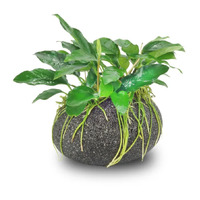
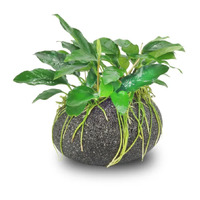
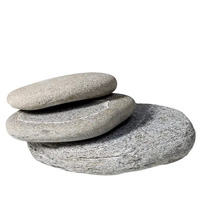
$59.95
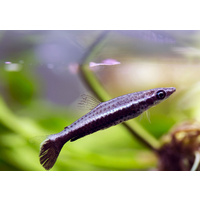
$14.38
Plan an Aquarium Rock Layout
Dry-plan the main stones before filling the aquarium. Position the largest focal rock first, then use smaller pieces to support the same visual direction and create depth. Leave enough open space for planting, cleaning and the adult swimming needs of the fish.
Place heavy rocks securely so they cannot shift as fish dig or substrate settles. Avoid unstable stacks and sharp contact points against the glass. Large or irregular pieces may need a protective support layer or a layout that spreads their weight safely.
Rock and Aquarium Water Chemistry
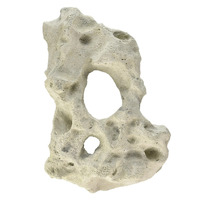
Some rocks are relatively inert, while carbonate-rich stone can raise hardness, alkalinity or pH over time. Texas holey rock, for example, is commonly selected where buffering is desirable and may be unsuitable for a soft, acidic aquascape.
If the composition is uncertain, do not assume the rock is chemically neutral. Check the product information and monitor the aquarium's water parameters after setup, particularly when keeping species with narrow requirements.
Prepare Rock Before It Enters the Aquarium
Rinse aquarium rock thoroughly with clean water and use a clean brush to remove loose dust. Do not use household detergents or cleaning chemicals. Inspect every piece for unstable fragments or edges that could damage fish, equipment or glass.
Only use material sold or confirmed as suitable for aquarium use. Decorative garden or landscaping rock may have an unknown composition or surface treatment.
Build a Complete Aquascape
Combine rock with aquarium wood and driftwood, planted aquarium substrate and live aquarium plants. Use aquascaping tools for planting and ongoing maintenance.
Aquaholics supplies aquascaping materials online across Australia, with local help available from our Sunshine Coast aquarium store.
Frequently Asked Questions
Is every natural rock safe for an aquarium?
No. Rock composition and any surface contamination matter. Use aquarium-suitable rock, rinse it without detergent and confirm whether it may alter hardness, alkalinity or pH.
Can aquarium rocks change pH?
Some can. Carbonate-rich rocks may increase hardness, alkalinity or pH, while other stones have much less effect. Check the product and monitor water parameters.
Should aquarium rocks go under or on top of substrate?
Heavy structural rocks are often positioned securely before deep loose substrate is added so digging or settling cannot undermine them. The safest method depends on the rock, tank base and layout.
How should I clean aquascaping rocks?
Rinse them with clean water and scrub away loose material using an aquarium-dedicated brush. Do not use soap, detergent or household cleaning chemicals.
Can I use rock to make caves for fish?
Yes, provided the structure is stable, the openings suit the fish and there are no dangerous edges or trapping points.
TRUSTED BY 100,000+ FISH-KEEPING ENTHUSIASTS AUSTRALIA-WIDE

Shop Now. Pay Later.
Always interest-free.

Add your favourites to cart

Select Afterpay at checkout

Log into or create your Afterpay account, with instant approval decision

Your purchase will be split into 4 payments, payable every 2 weeks
All you need to apply is to have a debit or credit card, to be over 18 years of age, and to be a resident of country offering Afterpay
Late fees and additional eligibility criteria apply. The first payment may be due at the time of purchase
For complete terms visit afterpay.com/terms