 My Account
Add Some Color to Your Aquarium with African Cichlids from Aquaholics Online
Shop colourful African Cichlids online at Aquaholics. Our changing range can include Lake Malawi Cichlids, Peacock Cichlids, Mbuna, Haps and other African species and varieties.
African Cichlids are known for vivid colour, active behaviour and distinctive personalities. Because size, aggression, diet and water requirements vary between species, they are best kept in aquariums planned around compatible fish rather than added to a general community tank.
Browse the current fish below and check the individual species information before ordering. Our live fish are prepared using specialist livestock packing methods, with delivery available to eligible Australian locations. Sunshine Coast fishkeepers can also visit Aquaholics at Baringa.
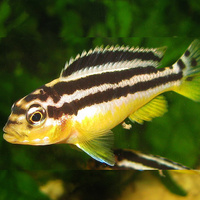
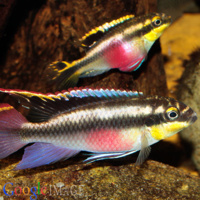
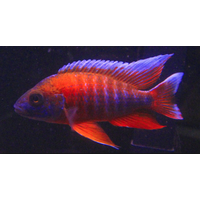
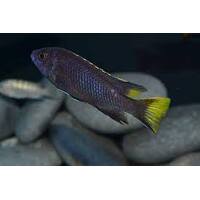
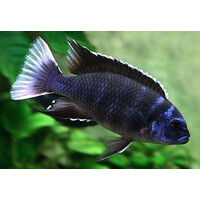
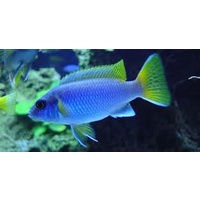
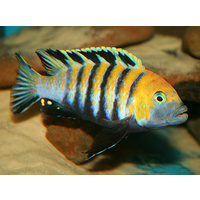
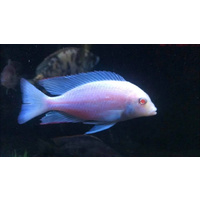
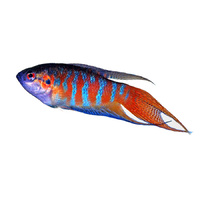
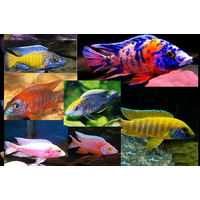
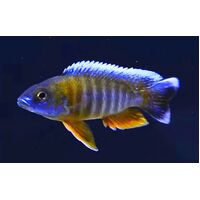
Buy African Cichlids Online in Australia
African Cichlids are among the most colourful and engaging freshwater aquarium fish. Different species can display striking combinations of blue, yellow, orange, red, white and black, along with active behaviour and distinctive social structures.
Many popular aquarium species originate from the African Rift Lakes, including Lake Malawi, Lake Tanganyika and Lake Victoria. These environments differ, so fish should be selected according to their individual origin, adult size, temperament, diet and water requirements.
Aquaholics stocks a changing selection of African Cichlids. Browse the available fish above or explore our complete live aquarium fish collection.
Types of African Cichlids
Lake Malawi Cichlids
Lake Malawi is home to many of the most recognisable African Cichlids kept in aquariums. The aquarium trade often groups these fish into categories such as Mbuna, Peacock Cichlids and Haps.
Many Malawi Cichlids prefer hard, alkaline water. However, temperament, adult size, diet and habitat use still vary significantly between species.
Peacock Cichlids
Peacock Cichlids are members of the genus Aulonocara. Mature males are particularly valued for their intense blue, red, orange and yellow colouration.
Peacocks are often considered less aggressive than many Mbuna, but this should not be treated as a guarantee of peaceful behaviour. Aggression varies between species and individuals and can be influenced by aquarium size, sex ratio, stocking and tank layout.
They are generally best kept with compatible African Cichlids that have similar water, dietary and behavioural requirements.
Mbuna Cichlids
Mbuna are rock-associated Cichlids from Lake Malawi. They are active, colourful and often territorial, particularly when defending caves, feeding areas or breeding sites.
An Mbuna aquarium should provide securely positioned rockwork, caves and visual barriers. These features create separate territories and give less dominant fish places to retreat.
Diet is especially important. Many commonly kept Mbuna naturally consume significant amounts of algae and plant material, although feeding requirements vary between species.
Hap Cichlids
The aquarium term “Haps” is commonly used for various non-Mbuna Lake Malawi Cichlids. This is a broad trade grouping rather than a single type of fish with identical care requirements.
Some Haps grow considerably larger than Peacock or Mbuna species and may need spacious aquariums with open swimming areas. Always check the adult size, diet and temperament of the individual species.
Lake Tanganyika and Lake Victoria Cichlids
Lake Tanganyika and Lake Victoria contain their own diverse Cichlid communities. These fish should not automatically be treated as interchangeable with Lake Malawi species.
Lake of origin, habitat, diet, water conditions and behaviour should be considered before different African Cichlids are combined.
Choosing African Cichlids
Successful African Cichlid keeping begins with planning the aquarium around compatible species.
Before purchasing, consider:
- Expected adult size
- Minimum aquarium dimensions
- Lake and habitat of origin
- Aggression and territorial behaviour
- Preferred pH and water hardness
- Dietary requirements
- Group structure and sex ratios
- Compatibility with existing fish
- Filtration and swimming-space requirements
Fish should not be combined simply because they are all described as African Cichlids. Species from similar regions can still have very different behaviour, diets and adult sizes.
Aquarium Size for African Cichlids
African Cichlids are active fish and generally need more space than their juvenile purchase size may suggest.
The correct aquarium size depends on the species, expected adult size, number of fish and territorial behaviour. Larger aquariums usually provide more flexibility for creating separate territories, open swimming areas and visual barriers.
A longer aquarium can be especially useful because it provides additional horizontal swimming room and more space between territories.
Always choose an aquarium based on the adult fish you intend to keep. Explore our aquariums and complete fish tank kits when planning a new Cichlid setup.
Water Conditions for African Cichlids
Many African Rift Lake Cichlids prefer harder, more alkaline water than fish commonly kept in soft-water tropical community aquariums.
Exact requirements vary by species and lake of origin. Test your source water before choosing fish and avoid combining species that need substantially different conditions.
Stable water chemistry is generally safer than making frequent or sudden adjustments in an attempt to reach a particular value. Where local water is naturally soft, suitable mineral or buffering products may help create appropriate conditions, but they should be used carefully and monitored with reliable testing.
Feeding African Cichlids
African Cichlid diets vary considerably. Some species feed heavily on algae and plant material, while others are omnivorous, insectivorous, planktivorous or more predatory.
Suitable foods may include:
- Quality African Cichlid pellets
- Spirulina-based foods
- Vegetable-based flakes or pellets
- Species-appropriate protein foods
- Suitable sinking or floating pellets
- Appropriate frozen foods for selected species
Browse our Cichlid food range for floating, sinking and vegetable-based options.
Avoid assuming every African Cichlid should receive the same high-protein diet. Feeding unsuitable foods or excessive quantities can contribute to digestive and water-quality problems.
Setting Up an African Cichlid Aquarium
African Cichlid aquariums are commonly designed around rockwork, caves and open swimming areas.
A practical setup may include:
- Securely positioned aquarium rocks
- Caves and visual barriers
- Open areas for swimming
- Sand or another suitable substrate
- Strong mechanical and biological filtration
- Good circulation and surface movement
- A secure aquarium lid
Explore our aquarium rocks and hardscape and aquarium sand, gravel and substrate when planning your layout.
Place heavy rockwork securely so it cannot shift if fish dig around its base. Depending on the aquarium, it may be safer to establish the main rock structure before adding deep substrate around it.
Filtration for African Cichlids
African Cichlid aquariums can carry a significant biological load, particularly when they contain larger or more numerous fish.
Effective aquarium filtration is essential. The system should provide suitable mechanical and biological filtration for the aquarium volume and stocking level.
Regular partial water changes, good circulation and appropriate filter maintenance help maintain stable water quality. Avoid cleaning all biological media at once or washing established media under untreated chlorinated tap water.
African Cichlid Aggression
Many African Cichlids are territorial, but the type and intensity of aggression vary between species, individuals and aquarium setups.
Factors that can influence aggression include:
- Aquarium dimensions
- Species selection
- Adult body size
- Number and sex of the fish
- Availability of territories
- Rockwork and visual barriers
- Breeding behaviour
- Feeding competition
Adding extra fish is not a universal solution for aggression. Stocking strategies should be based on the particular species, filtration capacity and available aquarium space.
African Cichlid Tank Mates
The most suitable tank mates are usually other compatible African Cichlids with similar adult size, temperament, diet and water requirements.
Small peaceful community fish are generally unsuitable companions for territorial or predatory Cichlids. Mixing fish from different African lakes also requires careful research because their behaviour, diet and preferred environment may differ.
If you are unsure whether two species can be kept together, please contact Aquaholics before ordering.
Can African Cichlids Live with Plants?
African Cichlid tanks are often designed around rockwork rather than dense planting. Some species dig extensively, disturb substrate, damage leaves or eat particular plants.
Hardy rhizome plants such as some Anubias varieties may work in selected setups when attached securely to rock or driftwood. Success depends on the species being kept, and no plant should be considered universally Cichlid-proof.
Browse our live aquarium plants if you would like to explore suitable options for a planted Cichlid aquarium.
African Cichlid Delivery Across Australia
Aquaholics sells African Cichlids online, with livestock delivery available to eligible Australian locations.
Fish are prepared using specialist livestock bags containing suitable water and oxygen. They are then secured inside insulated packaging designed for aquarium animals.
Delivery availability depends on your location, livestock availability and applicable biosecurity restrictions. Please read our live-fish purchasing and shipping information before ordering.
African Cichlids on the Sunshine Coast
Aquaholics is a local Sunshine Coast aquarium shop in Baringa, supplying African Cichlids, tropical fish, aquarium equipment, food, filtration and aquascaping supplies.
Sunshine Coast fishkeepers can visit us to explore our changing livestock range and find equipment for setting up or maintaining an African Cichlid aquarium.
We also continue to serve eligible customers throughout Australia through our online store.
Frequently Asked Questions About African Cichlids
Are African Cichlids aggressive?
Many African Cichlids are territorial, although aggression varies considerably between species and individuals. Aquarium size, species selection, stocking, breeding behaviour and hardscape design can all influence aggression.
What pH do African Cichlids need?
Many Rift Lake Cichlids prefer alkaline water above neutral pH. The appropriate range depends on the species and lake of origin, so check the requirements of the fish you intend to keep.
Do African Cichlids need hard water?
Many Lake Malawi and Lake Tanganyika Cichlids naturally occur in hard, mineral-rich water and generally do best under similar stable conditions. Requirements still vary between species.
What do African Cichlids eat?
Diet varies by species. Some African Cichlids consume significant plant and algae material, while others are omnivorous, insectivorous or more protein-oriented. Choose food for the individual species rather than feeding every African Cichlid the same diet.
Can African Cichlids live with tropical community fish?
Most territorial African Cichlids are better kept with compatible Cichlids rather than small, peaceful community fish because their temperament and water requirements can differ considerably.
Do African Cichlids need rocks?
Rockwork is particularly useful for territorial and rock-associated species such as many Mbuna. It can provide caves, visual barriers and separate territories. Some open-water species also require substantial swimming space.
Can African Cichlids live with plants?
Some can, but many species dig, disturb or eat plants. Hardy plants attached securely to rock or driftwood may be more suitable than delicate rooted plants, depending on the fish.
How many African Cichlids can I keep?
This depends on aquarium dimensions, adult fish size, species, sex ratios, temperament and filtration. African Cichlid stocking should not be based on a simple fish-per-litre rule.
Can I buy African Cichlids online in Australia?
Yes. Aquaholics sells African Cichlids online with delivery available to eligible Australian locations, subject to livestock availability, regional restrictions and biosecurity requirements.
TRUSTED BY 100,000+ FISH-KEEPING ENTHUSIASTS AUSTRALIA-WIDE

Shop Now. Pay Later.
Always interest-free.

Add your favourites to cart

Select Afterpay at checkout

Log into or create your Afterpay account, with instant approval decision

Your purchase will be split into 4 payments, payable every 2 weeks
All you need to apply is to have a debit or credit card, to be over 18 years of age, and to be a resident of country offering Afterpay
Late fees and additional eligibility criteria apply. The first payment may be due at the time of purchase
For complete terms visit afterpay.com/terms