 My Account

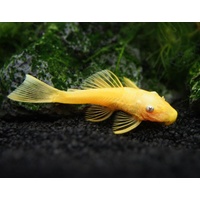
L144 Blue Eye Lemon Bristlenose Pleco (Ancistrus sp.) 3-4cms
lemon bristlenose l144
Product Code: l144-34

Dispatch In 1-2 Business Days
or 4 payments of $6.24 with
 Info
Info
L144 Lemon Blue Eye Bristlenose Catfish – 4cm
Looking for a Bristlenose that's a little different? The L144 Lemon Blue Eye Bristlenose Catfish is a beautiful pale lemon-coloured pleco with contrasting eyes, peaceful behaviour and a manageable adult size.
Also known as the Blue Eye Lemon Bristlenose or Lemon Bristlenose Pleco, this fish is a great choice for many established freshwater community aquariums. It spends much of its time exploring the bottom of the tank, resting around driftwood and caves, and grazing algae and biofilm from aquarium surfaces.
Unlike the large plecos that can eventually outgrow many home aquariums, Lemon Bristlenose generally remain around 10–12cm as adults.
Fish supplied are approximately 4cm unless otherwise stated.
Is a Lemon Blue Eye Bristlenose Right for Your Aquarium?
This fish is a good choice if you're looking for a catfish that:
- Stays relatively compact
- Is generally peaceful with community fish
- Grazes algae and biofilm
- Has an unusual lemon-yellow appearance
- Can live happily in a well-established freshwater aquarium
- Enjoys caves, driftwood and sheltered areas
They are easy to enjoy, but they shouldn't be purchased simply as a “tank cleaner”. Like every fish, they need their own food, suitable water conditions and somewhere comfortable to hide.
Quick Care Guide
- Common Name: L144 Lemon Blue Eye Bristlenose Catfish
- Also Known As: Blue Eye Lemon Bristlenose, Lemon Bristlenose Pleco
- Scientific / Hobby Name: Ancistrus sp. 4
- Sale Size: Approximately 4cm
- Adult Size: Approximately 10–12cm
- Temperament: Generally peaceful
- Temperature: Approximately 22–26°C
- pH: Approximately 6.0–7.5
- Recommended Aquarium: Around 70–80 litres or larger for a single adult, with good floor space
- Diet: Omnivorous grazer with a strong vegetable component
- Swimming Level: Bottom
- Breeding: Cave spawner
- Sale Sex: Unsexed at this size
Why Choose a Lemon Blue Eye Bristlenose?
The biggest attraction is obviously the colour.
Instead of the darker brown pattern of a Common Bristlenose, these fish develop a beautiful lemon to golden-yellow body that really stands out against dark gravel, aquarium plants and driftwood.
They're also a practical pleco for the average fishkeeper. Their adult size is much more manageable than large Sailfin or Common Pleco-type catfish, and they are generally peaceful enough for a well-planned community aquarium.
Once settled, Bristlenose are full of personality. You'll often see them moving between caves, grazing across wood and glass, and appearing at feeding time for sinking foods.
How Big Do L144 Lemon Bristlenose Grow?
Plan for an adult size of approximately 10–12cm.
That makes the Lemon Blue Eye Bristlenose a good option for aquarists who love the appearance and behaviour of plecos but don't have room for one of the very large species.
Remember that the 4cm fish offered for sale is still a juvenile. Choose the aquarium based on its adult size rather than how small it is when you take it home.
What Size Tank Does a Lemon Bristlenose Need?
For a single adult, we recommend an established aquarium of around 70–80 litres or larger with a good footprint and plenty of shelter.
If you want to keep several Bristlenose, give them considerably more bottom space and provide multiple caves. Adult males can defend favourite hiding places from other Bristlenose.
A good setup should include:
- At least one suitable cave or sheltered area
- Driftwood
- Rocks or other aquarium-safe cover
- Good filtration
- Well-oxygenated water
- Plenty of surfaces for natural grazing
Can L144 Bristlenose Live in a Community Tank?
Yes. Lemon Blue Eye Bristlenose are generally peaceful and can work extremely well in freshwater community aquariums.
They can be kept with many appropriately sized tropical fish including tetras, rasboras, rainbowfish, livebearers, Corydoras, gouramis and many peaceful cichlids.
Most of their territorial behaviour is directed towards other Bristlenose or similar bottom-dwelling fish competing for the same caves.
If you're building a peaceful community aquarium, the Lemon Bristlenose is one of the more manageable pleco choices.
Do Lemon Blue Eye Bristlenose Eat Algae?
Yes. Bristlenose naturally spend a lot of time grazing algae and biofilm from glass, rocks, driftwood and other aquarium surfaces.
They're particularly useful grazers when young, but don't make the mistake of assuming the algae in the aquarium is enough to feed them.
Your Bristlenose still needs its own food.
A healthy fish should receive suitable sinking foods even when plenty of algae is visible in the aquarium.
What Should I Feed an L144 Bristlenose?
Offer a varied diet with plenty of vegetable-based nutrition.
Good choices include:
- Algae wafers
- Spirulina-based sinking foods
- Quality sinking catfish pellets
- Zucchini or courgette
- Other suitable fresh vegetables
- Occasional protein-rich sinking or frozen foods
Fresh vegetables should be removed before they begin to spoil and affect water quality.
You can browse our fish food range for algae wafers, sinking pellets and other foods suitable for bottom-dwelling catfish.
Does a Lemon Bristlenose Need Driftwood?
Driftwood is highly recommended.
It gives your Bristlenose somewhere to shelter and provides a large natural surface for algae and biofilm to develop.
You will often see Bristlenose resting beneath wood or grazing across its surface.
Driftwood should be considered part of a good aquarium setup rather than the fish's complete food source. Continue feeding a balanced diet regardless of how much wood or natural algae is available.
Can You Keep More Than One Bristlenose?
Yes, provided the aquarium has enough space.
Multiple Bristlenose need more floor area, separate hiding places and enough food so they don't have to compete constantly.
Mature males can become territorial around caves, so adding several caves is particularly important when keeping more than one adult.
Male or Female?
At approximately 4cm, these fish are sold as unsexed juveniles.
As they mature, males normally develop much more prominent bristles across the snout and head. Females tend to have fewer and shorter bristles.
Because the differences become more obvious with age, we don't recommend choosing juvenile fish based on an assumed sex.
Can L144 Lemon Bristlenose Be Bred at Home?
Yes. Bristlenose Catfish are well known for breeding successfully in suitable home aquariums.
They are cave spawners. A mature male will usually establish a cave, and after spawning he remains with the eggs and guards them while they develop.
If breeding is your goal, good water quality, suitable caves, healthy mature fish and a quality diet are all important.
L144 Lemon Bristlenose vs Albino Bristlenose
They may look similar at first glance, but a Lemon Blue Eye Bristlenose is not simply another name for an Albino Bristlenose.
Albino Bristlenose typically have red or pinkish eyes. Lemon Bristlenose retain pigmented eyes and have a pale lemon or golden body colour.
If you want a bright Bristlenose but prefer the contrasting darker eye of the Lemon form, the L144 is a great alternative to an Albino Bristlenose.
A Quick Note About the L144 Name
You will see this fish sold throughout the aquarium hobby as L144, which is why we retain the name customers know and search for.
Technically, the commonly bred Lemon Blue Eye Bristlenose is more accurately referred to as Ancistrus sp. 4. The original L144 designation referred to a different unidentified Ancistrus colour form.
For everyday fishkeeping, this naming history doesn't change how you care for the fish, but using Ancistrus sp. 4 gives you a more accurate identification when researching its requirements.
Before You Buy
The L144 Lemon Blue Eye Bristlenose is a great choice if you want a peaceful, compact and distinctive pleco for an established freshwater aquarium.
Make sure your aquarium has good filtration, stable water conditions, a suitable cave and a proper sinking diet. Don't rely on the fish to live on algae or leftovers alone.
At around 4cm these are still young fish, so colour, eye appearance and bristle development can continue to change as they mature.
Browse more Freshwater Catfish and Plecos available from Aquaholics.
Frequently Asked Questions
How big do L144 Lemon Blue Eye Bristlenose grow?
They generally grow to approximately 10–12cm as adults, making them considerably easier to accommodate than many large pleco species.
What size tank does an L144 Bristlenose need?
Around 70–80 litres or larger with good floor space is a useful starting point for a single adult. Larger aquariums are recommended when keeping several Bristlenose.
Are Lemon Blue Eye Bristlenose peaceful?
Yes. They are generally peaceful with other community fish. Adult males can become territorial with other Bristlenose, particularly around caves.
Do L144 Bristlenose eat algae?
Yes. They graze algae and biofilm from aquarium surfaces, but they still require a complete supplementary diet and should never be expected to survive only on aquarium algae.
What should I feed a Lemon Blue Eye Bristlenose?
Feed algae wafers, vegetable-based sinking foods, spirulina foods, quality catfish pellets and suitable fresh vegetables. Small amounts of appropriate protein-rich foods can also be offered.
What temperature do Lemon Bristlenose need?
A temperature of approximately 22–26°C is suitable for this captive-bred Bristlenose.
What pH do L144 Bristlenose prefer?
A pH of approximately 6.0–7.5 is a practical range, with stable water conditions being particularly important.
Do Lemon Bristlenose need driftwood?
Driftwood is recommended because it provides shelter and excellent grazing surfaces, but it doesn't replace the need for a balanced diet.
Can L144 Bristlenose live with other fish?
Yes. They are suitable for many peaceful freshwater community aquariums provided their tank mates have compatible water and temperature requirements.
Can you tell the sex of a 4cm Lemon Bristlenose?
Usually not reliably. At around 4cm the fish are still juveniles and the mature bristle development used to distinguish males and females may not yet be obvious.
Is an L144 the same as an Albino Bristlenose?
No. The Lemon Blue Eye Bristlenose is a different colour form. Albino Bristlenose typically have red or pink eyes, while the Lemon form retains pigmented eyes.
Is L144 the correct scientific name?
L144 is the well-established aquarium trade name. The commonly bred Lemon Blue Eye Bristlenose sold under this name is more accurately referred to as Ancistrus sp. 4.
- Common Names: Lemon Blue Eye Bristlenose, Blue Eye Lemon Bristlenose, L144 Bristlenose
- Scientific / Hobby Identity: Ancistrus sp. 4
- Family: Loricariidae
- Sale Size: Approximately 4cm
- Adult Size: Approximately 10–12cm standard length
- Origin: Captive-bred aquarium strain; exact wild origin is not established
- Temperament: Generally peaceful; adults can be territorial toward other Bristlenose and similar plecos
- Temperature: Approximately 22–26°C
- pH: Approximately 6.0–7.5
- Aquarium: At least around a 60 × 30cm footprint for a single adult, with larger quarters for multiple fish
- Diet: Omnivorous grazer
- Swimming Level: Bottom
- Breeding: Cave spawner
| SKU | l144-34 |
| Barcode # | 642889753020 |
| Shipping Weight | 1.0000kg |
| Shipping Width | 0.300m |
| Shipping Height | 0.300m |
| Shipping Length | 0.300m |
| Shipping Cubic | 0.027000000m3 |
We Also Recommend
You May Also Like
Others Also Bought
More From This Category
TRUSTED BY 100,000+ FISH-KEEPING ENTHUSIASTS AUSTRALIA-WIDE

Shop Now. Pay Later.
Always interest-free.

Add your favourites to cart

Select Afterpay at checkout

Log into or create your Afterpay account, with instant approval decision

Your purchase will be split into 4 payments, payable every 2 weeks
All you need to apply is to have a debit or credit card, to be over 18 years of age, and to be a resident of country offering Afterpay
Late fees and additional eligibility criteria apply. The first payment may be due at the time of purchase
For complete terms visit afterpay.com/terms