Add Some Color to Your Aquarium with African Cichlids from Aquaholics Online
Shop colourful African Cichlids online at Aquaholics Online.
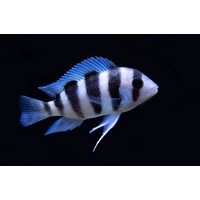
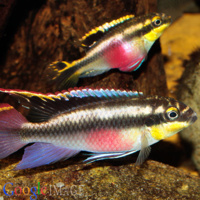
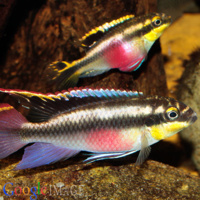
African Cichlids are popular freshwater aquarium fish known for their bright colours, active behaviour and strong personalities. Many species come from the African Rift Lakes, including Lake Malawi, Lake Tanganyika and Lake Victoria, and are best kept in aquariums designed around their specific water and compatibility requirements.
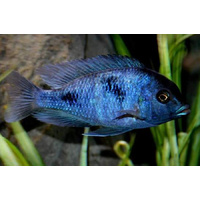
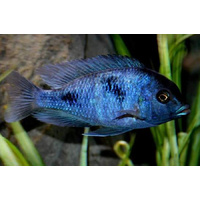
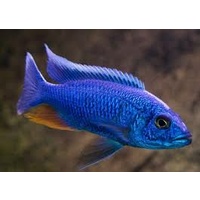
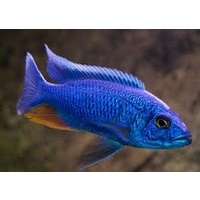
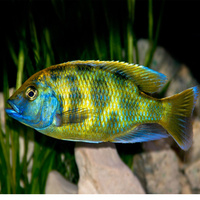
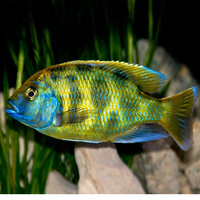
Our range may include Peacock Cichlids, Mbuna, Haplochromis and other African Cichlid species depending on availability.
African Cichlids for Freshwater Aquariums
African Cichlids are an excellent choice for aquarists who enjoy active, colourful fish and a more dynamic aquarium.
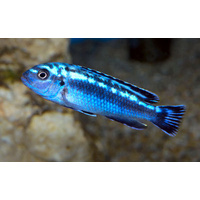
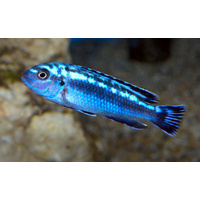
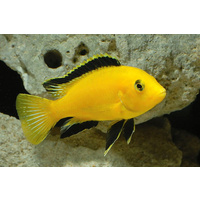
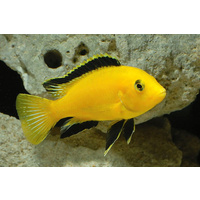
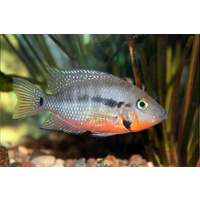
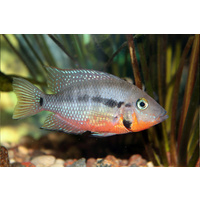
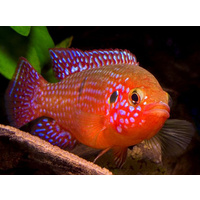
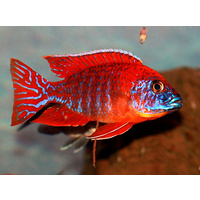
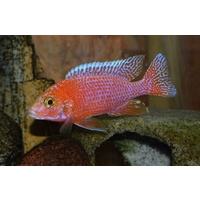
Many species display striking blues, yellows, oranges and reds, making them some of the most visually impressive freshwater fish available.
However, African Cichlids can also be territorial, so tank size, stocking levels and hardscape design are important considerations.
Lake Malawi Cichlids
Lake Malawi is home to many of the most popular African Cichlids kept in aquariums.
These can include:
-
Peacock Cichlids
-
Mbuna
-
Haplochromis
-
Other Malawi species and hybrids
Many Lake Malawi Cichlids prefer hard, alkaline water and benefit from aquariums containing rockwork, caves and open swimming areas.
Peacock Cichlids
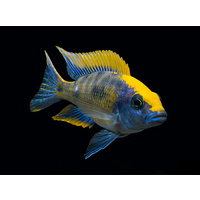
Peacock Cichlids are popular for their intense colouration and generally less aggressive behaviour compared with many Mbuna species.
Males often develop particularly strong blue, red, yellow or orange colours as they mature.
They are usually best kept with other compatible African Cichlids that prefer similar water conditions.
Mbuna Cichlids
Mbuna are rock-dwelling Cichlids from Lake Malawi.
They are active, colourful and often highly territorial.
Aquariums for Mbuna should provide plenty of rockwork and hiding places to create separate territories and reduce direct lines of sight between fish.
Careful stocking is important because aggression levels vary considerably between species.
Choosing African Cichlids
Before purchasing African Cichlids, consider:
-
Adult size
-
Aquarium size
-
Aggression level
-
Water hardness
-
pH requirements
-
Diet
-
Group size
-
Male-to-female ratios where relevant
-
Compatibility with existing fish
Not all African Cichlids should be kept together simply because they originate from similar regions.
Researching the individual species helps avoid compatibility problems later.
Aquarium Size
African Cichlids are active fish and generally benefit from more swimming space than their juvenile size might suggest.
Tank requirements vary by species, but larger aquariums are usually easier to manage because they allow more territories to be created and can help distribute aggression.
Always choose aquarium size based on expected adult size and the number of fish you intend to keep.
Water Parameters
Many African Rift Lake Cichlids prefer harder, more alkaline water than typical tropical community fish.
Lake Malawi species commonly thrive in stable alkaline conditions, while exact requirements vary between species.
Maintaining stable water chemistry is more important than constantly chasing a particular number.
Suitable buffering products and mineral supplements can be useful where local water is naturally soft.
Feeding African Cichlids
Diet varies depending on the species.
Some African Cichlids are primarily herbivorous, while others are omnivorous or more protein-oriented.
Suitable foods can include:
-
Quality African Cichlid pellets
-
Spirulina-based foods
-
Vegetable-based foods
-
Species-appropriate protein foods
-
Occasional frozen foods where suitable
Avoid overfeeding and make sure the diet suits the individual species.
Some herbivorous Cichlids can develop digestive problems if fed excessive high-protein foods.
Aquarium Setup
African Cichlid aquariums are commonly designed with:
-
Rocks
-
Caves
-
Open swimming areas
-
Sand or suitable aquarium substrate
-
Strong filtration
-
High water movement
Rockwork can help create individual territories and provide places for fish to retreat.
Make sure rocks are positioned securely, particularly with species that dig or move substrate.
Filtration
African Cichlid aquariums often contain relatively high fish numbers and can produce a significant biological load.
Strong mechanical and biological filtration is therefore important.
Regular water changes, good circulation and appropriate filter maintenance all help maintain stable water quality.
African Cichlids & Live Plants
African Cichlid tanks are often built around rockwork rather than dense planting.
Some species may dig up, damage or eat live aquarium plants.
Hardy plants such as Anubias attached to rock or driftwood may work in some setups, but compatibility depends on the fish being kept.
Tank Mates
The best tank mates for African Cichlids are usually other compatible African Cichlids with similar:
-
Adult size
-
Temperament
-
Diet
-
Water requirements
Small peaceful community fish are generally not suitable companions for aggressive African Cichlids.
Mixing species from different lakes can also require additional consideration because their behaviour and dietary needs may differ.
Buy African Cichlids Online in Australia
Aquaholics Online stocks a changing range of African Cichlids for aquarium enthusiasts across Australia.
Because live fish availability changes regularly, individual species, colour varieties and sizes may vary.
Browse the current range above to see which African Cichlids are available now.
Frequently Asked Questions
Are African Cichlids aggressive?
Many African Cichlids are territorial, although aggression varies significantly between species. Aquarium size, stocking levels and hardscape can all influence behaviour.
What pH do African Cichlids need?
Many Rift Lake Cichlids prefer alkaline water, often above neutral pH. Exact requirements depend on the species and lake of origin.
Do African Cichlids need hard water?
Many Lake Malawi and Lake Tanganyika species naturally occur in hard, mineral-rich water and generally do best under similar stable conditions in captivity.
What do African Cichlids eat?
Diet varies by species. Some are primarily herbivorous, while others are omnivorous or more protein-oriented. A quality food formulated for African Cichlids is a good starting point.
Can African Cichlids live with tropical fish?
Generally, African Cichlids are better kept with compatible Cichlids rather than small peaceful tropical community fish because of differences in temperament and water requirements.
Do African Cichlids need rocks?
Rockwork is particularly useful for territorial species such as Mbuna because it creates caves, visual barriers and separate territories.
Can African Cichlids live with plants?
Some can, but many species dig or disturb plants. Hardy plants attached to rock or driftwood tend to be more suitable than delicate rooted plants.
How many African Cichlids can I keep together?
This depends on aquarium size, adult fish size and species temperament. Stocking African Cichlids requires more planning than simply applying a fixed fish-per-litre rule.
Do you ship African Cichlids Australia-wide?
Aquaholics Online ships live fish to eligible Australian locations, subject to availability, regional restrictions and biosecurity requirements.