 My Account
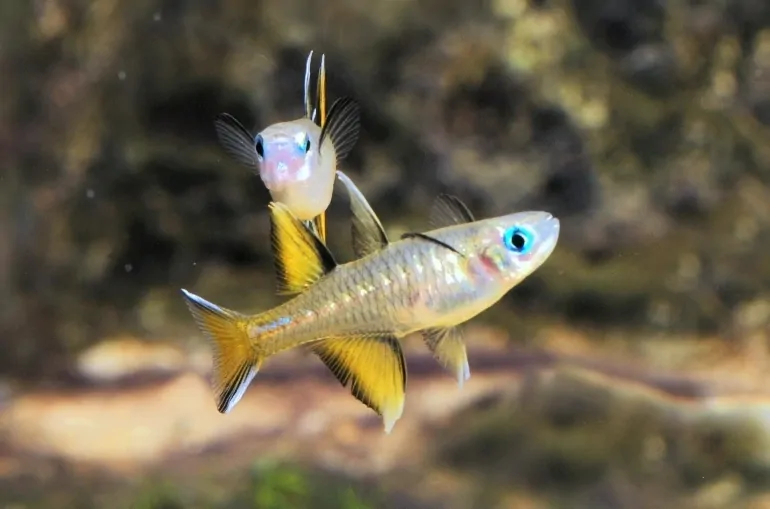
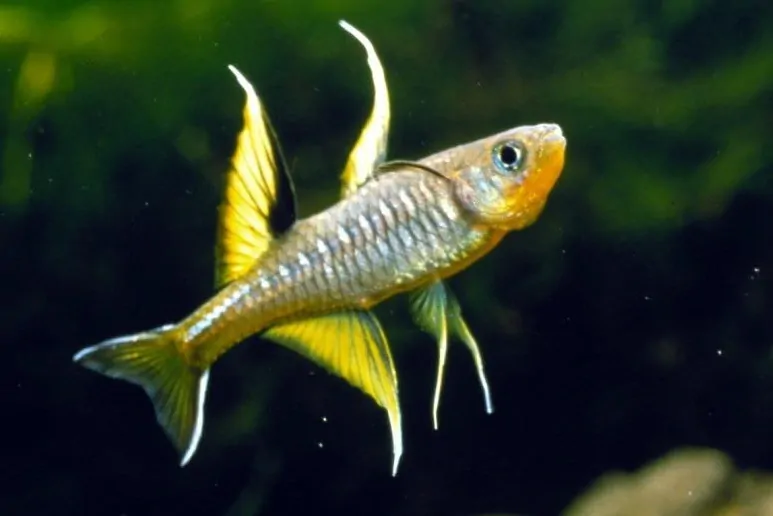
Pacific Blue Eyes 3-4cm Australian Native
ARRIVE ALIVE GUARANTEED!
Product Code: LF-PacificBlueeye3cm

Dispatch In 1-2 Business Days
or 4 payments of $3.74 with
 Info
Info
Pacific Blue-eye – Pseudomugil signifer 3–4cm
Buy Pacific Blue-eyes online and add an active, peaceful Australian native fish to your aquarium. Pseudomugil signifer is known for its brilliant blue irises, translucent silver-to-olive body and attractive fin displays.
Pacific Blue-eyes are an excellent choice for fishkeepers looking for a small Australian native aquarium fish. They suit planted aquariums, Australian biotope displays and peaceful community tanks containing compatible species.
These social schooling fish look most impressive when kept in a suitable group. Order several together to enjoy more confident swimming, natural social behaviour and better male display colour.
Fish supplied: One Pacific Blue-eye measuring approximately 3–4cm. Colour, sex, fin development and exact size cannot be guaranteed and may vary between individual live fish.
Quick Care Guide
| Scientific name | Pseudomugil signifer |
|---|---|
| Common name | Pacific Blue-eye |
| Sale size | Approximately 3–4cm |
| Adult size | Varies between geographic populations; recorded males may reach approximately 8.8cm, although many aquarium populations remain smaller |
| Temperament | Peaceful, active and social |
| Recommended group | At least 6; preferably 8–10 or more |
| Recommended aquarium | At least 60 litres for a suitable group, with good horizontal swimming space |
| Temperature | Approximately 20–26°C; avoid sudden temperature changes |
| pH | Approximately 6.5–7.8, with stable conditions more important than chasing an exact value |
| Diet | Small prepared, insect-based, frozen and live foods |
| Swimming level | Mostly upper and middle levels |
| Difficulty | Easy to intermediate |
Why Choose Pacific Blue-eyes?
- Genuine Australian native aquarium fish
- Distinctive reflective blue irises
- Peaceful temperament suited to carefully planned community tanks
- Active schooling behaviour and attractive male fin displays
- Well suited to planted aquariums with open swimming space
- Accepts appropriately sized prepared, frozen and live foods
Pacific Blue-eyes are a good option for aquarists who want something different from common tropical community fish. Their compact size, active behaviour and native Australian origin make them particularly appealing in planted displays.
Explore more species in our Australian native fish range.
Aquarium Setup
Pacific Blue-eyes do best in a mature, filtered aquarium containing both plant cover and open swimming areas. Fine-leaved and floating plants provide security and may also be used as spawning sites.
Provide gentle-to-moderate water movement, reliable filtration and good oxygenation. Consistent water quality is important, so test the water regularly and complete routine partial water changes.
Use a secure aquarium lid. Pacific Blue-eyes are active near the surface and may jump when startled, chased or engaged in fast group activity.
A 60-litre aquarium is a practical starting point for a suitable group. Larger or more active geographic forms will benefit from additional swimming length. Choose an aquarium based on the fish’s eventual adult size rather than its size when purchased.
Create a more natural environment with our live aquarium plants. You can also monitor ammonia, nitrite, nitrate and pH with suitable aquarium test kits.
Group Size and Behaviour
Pacific Blue-eyes are social fish and should not normally be kept alone. We recommend purchasing at least six, while a group of eight to ten or more generally produces more confident behaviour and a stronger visual display.
Males may display their extended fins and spar with one another, particularly when competing for the attention of females. Serious aggression is uncommon when the group has sufficient space, suitable numbers and plenty of visual cover.
Keeping only one or two may result in shy behaviour and prevents the fish from displaying its normal group interactions.
Compatible Tank Mates
Pacific Blue-eyes are generally peaceful and can work well in an appropriately planned community aquarium. Choose small, non-aggressive tank mates that enjoy similar temperatures and water conditions.
Possible tank mates include:
- Compatible Australian rainbowfish
- Other peaceful native fish
- Small peaceful tetras
- Small rasboras
- Corydoras
- Other similarly sized community fish
Avoid housing Pacific Blue-eyes with large predatory fish, highly aggressive species or persistent fin nippers. Always compare the adult size and care requirements of every species before combining them.
Adult shrimp may be suitable in some established aquariums, but very small shrimp offspring and fish fry may be eaten. Pacific Blue-eyes should therefore not be considered completely shrimp-safe.
Feeding Pacific Blue-eyes
In the wild, Pacific Blue-eyes feed on mosquito larvae and other small insects. In an aquarium, offer a varied diet containing suitably sized foods.
Suitable options include:
- Quality crushed flakes
- Fine micro pellets
- Small insect-based foods
- Frozen or live brine shrimp
- Daphnia and other small aquatic foods
Their mouths are relatively small, so choose food that can be swallowed easily. Feed modest portions once or twice daily and avoid leaving uneaten food in the aquarium.
A varied diet can help support healthy growth, condition and male display colour. Browse our native fish food and tropical fish food ranges for suitable options.
Freshwater and Brackish Habitats
Pacific Blue-eyes occur naturally in eastern Australian coastal streams and may also be found around estuarine and mangrove habitats. Some populations tolerate brackish conditions, but this does not mean aquarium salt is required for normal care.
They can be maintained in clean, stable freshwater. Avoid making sudden changes to temperature, pH, hardness or salinity, particularly when introducing newly transported fish.
If you are planning a brackish aquarium, research the requirements of the particular population and increase salinity gradually. Do not add salt to a normal community aquarium without considering every animal and plant in the tank.
Breeding Pacific Blue-eyes
Pacific Blue-eyes deposit small adhesive eggs among aquatic vegetation and other fine surfaces. Well-conditioned males display their fins while courting females.
Fine-leaved plants or spawning mops can be provided if you want to breed them. Adults may eat eggs or newly hatched fry, so breeders commonly move the spawning material or adult fish to a separate aquarium.
Newly hatched fry require microscopic or very fine foods before they are large enough to accept newly hatched brine shrimp and commercial fry foods.
Can Pacific Blue-eyes Live in a Pond?
Pacific Blue-eyes may be kept in a properly secured outdoor pond where the local climate, seasonal temperature and water quality remain suitable. The pond should provide plant cover and protection from birds and other predators.
Do not assume Pacific Blue-eyes are automatically safe with frogs, frog eggs or tadpoles. Compatibility depends on the frog species, fish size, pond design and available habitat.
Outdoor ponds must be designed so fish cannot escape during heavy rain, flooding or overflow. Check applicable state and local requirements before keeping aquarium fish outdoors.
Never release aquarium fish into creeks, dams, drains or other waterways. This applies even to Australian native species because released fish can spread disease and interfere with genetically distinct local populations.
Buy Pacific Blue-eyes Online in Australia
Pacific Blue-eyes are a rewarding choice for aquarists wanting a colourful, peaceful and genuinely Australian addition to their aquarium. They are particularly well suited to planted native displays and community tanks containing similarly sized, non-aggressive fish.
Because this is a schooling species, consider ordering at least six compatible individuals rather than keeping a single fish. Before purchasing, make sure your aquarium is fully cycled, securely covered and large enough for the complete group.
Shop online for Pacific Blue-eyes and explore more Australian native fish for sale at Aquaholics Online. Live-fish availability can change, so order while stock is available or use the stock notification option if this product is temporarily sold out.
Live Fish Delivery
We deliver Pacific Blue-eyes and other live aquarium fish to eligible locations across Australia. Live-fish delivery remains subject to livestock availability, regional restrictions, weather conditions and the current shipping schedule.
Before ordering, please review our live fish and plant shipping information. This page explains eligible locations, receiving requirements, acclimation and the current Arrive Alive policy.
Build your Australian native aquarium with a group of Pacific Blue-eyes. Order online for delivery to eligible Australian locations, or explore our complete Australian native fish range to find compatible additions for your aquarium.
Frequently Asked Questions
How many Pacific Blue-eyes should I keep?
Keep at least six Pacific Blue-eyes together. A group of eight to ten or more generally produces more confident behaviour and a more impressive display.
Can Pacific Blue-eyes live in a freshwater aquarium?
Yes. Pacific Blue-eyes can be maintained in clean, stable freshwater. Although some wild populations occur in brackish habitats, aquarium salt is not normally required.
Are Pacific Blue-eyes suitable for a community aquarium?
Yes. They are generally peaceful and can live with small, non-aggressive fish that have compatible temperature, water and aquarium-size requirements.
How large do Pacific Blue-eyes grow?
Adult size varies between geographic populations. Many aquarium fish remain relatively small, but recorded males can reach approximately 8.8cm and females approximately 6.3cm.
What do Pacific Blue-eyes eat?
Offer fine flakes, micro pellets and suitably sized frozen or live foods such as brine shrimp and daphnia. Their natural diet includes mosquito larvae and other small insects.
Do Pacific Blue-eyes need a covered aquarium?
Yes. A secure lid is strongly recommended because these active fish may jump when startled or during fast group activity.
Can Pacific Blue-eyes live in an outdoor pond?
They may suit a secure, predator-protected pond where local temperatures and water conditions remain appropriate. Prevent all escapes and never release aquarium fish into natural waterways.
Where can I buy Pacific Blue-eyes in Australia?
You can buy Pacific Blue-eyes online from Aquaholics Online when stock is available. We deliver live fish to eligible Australian locations, subject to regional restrictions, suitable weather and our current live-fish shipping schedule.
- 1 x Pacific Blue Eye 3cm
DOA Policy for Live Fish shipping
At Aquaholics, we place utmost importance on the careful shipping of live fish to ensure their safe arrival. Our commitment to quality includes taking various measures during transit. Each fish bag is infused with medical-grade oxygen and an ammonia-neutralizing solution. In colder periods, we also utilize heat packs to maintain optimal temperatures. However, we understand that unforeseen circumstances can sometimes lead to unfortunate outcomes. To provide you with peace of mind, we have implemented a Dead-on Arrival (DOA) policy that ensures you are covered in such situations.
Procedure:
- Owner's Presence: It is essential for the owner or an authorised representative to be available at the provided shipping address to receive the fish. If no one is available, the courier will leave your parcel in a safe space as all fish orders are shipped ATL.
- Shipping Address: Please provide a valid street address for shipping. Ensure the address is accurate and complete to avoid any delivery issues.
- Reporting DOA: If you receive a fish that is dead on arrival, please notify us promptly. Within 2 hours of receiving the fish, send an email to our customer support team. Include the following details in your email:
- Name: Your full name
- Order Number: The unique order number associated with your purchase
- DOA Fish Picture: Attach a clear picture of the deceased fish
Terms and Conditions:
- Timely Notification: Please make your DOA claim within 2 hours of receiving the fish. Claims submitted after this timeframe will not be eligible for compensation.
- Proper Documentation: Ensure that your email includes accurate and complete information, including your name, order number, email, and a clear picture of the deceased fish. Incomplete or inaccurate information may delay the processing of your claim.
- Verification: Our customer support team will review the provided information to verify the DOA claim. Once the claim is validated, we will proceed with the appropriate compensation.
- Compensation Options: In the event of a DOA, we offer two compensation options: a) Store Credit: You will receive a store credit equal to the value of the deceased fish, which can be used for future purchases. b) Refund: We can issue a refund for the value of the deceased fish, processed through the original payment method used for the purchase.
- Shipping Costs: Please note that shipping costs are non-refundable unless the entire order is considered a DOA.
- Conditions Apply: Our DOA policy covers only fish that are dead upon arrival. It does not apply to fish that perish after successful delivery and acclimation to their new environment.
We are committed to providing the best possible experience for our customers and ensuring the well-being of our live fish. If you have any questions or concerns regarding our DOA policy, don't hesitate to get in touch with our customer support team at doafish@aquaholicsonline.com.au , and we will be glad to assist you.
 Note: The terms and conditions outlined in this DOA policy are subject to change without prior notice. We recommend reviewing the most up-to-date policy on our website or contacting our customer support team for any updates.
Thank you again for allowing us on your aqaurium journey.
Jesse Elstak
Owner
- Scientific name: Pseudomugil signifer
- Common name: Pacific blue-eye
- Family: Pseudomugilidae
- Usual size in fish tanks: 4 - 5 cm
- Recommended pH range for the species: 5.5 - 7.8
- Recommended temperature: 21 - 28 °C
- The way how these fish reproduce: Spawning
- Where the species comes from: Oceania
- Temperament to its own species: peaceful
- Temperament toward other fish species: peaceful
- Usual place in the tank: Middle levels
| SKU | LF-PacificBlueeye3cm |
| Barcode # | 7427110000000 |
| Brand | Live Fish |
| Shipping Weight | 0.1000kg |
| Shipping Width | 0.100m |
| Shipping Height | 0.010m |
| Shipping Length | 0.001m |
| Shipping Cubic | 0.000001000m3 |
We Also Recommend
You May Also Like

More From This Category
TRUSTED BY 100,000+ FISH-KEEPING ENTHUSIASTS AUSTRALIA-WIDE

Shop Now. Pay Later.
Always interest-free.

Add your favourites to cart

Select Afterpay at checkout

Log into or create your Afterpay account, with instant approval decision

Your purchase will be split into 4 payments, payable every 2 weeks
All you need to apply is to have a debit or credit card, to be over 18 years of age, and to be a resident of country offering Afterpay
Late fees and additional eligibility criteria apply. The first payment may be due at the time of purchase
For complete terms visit afterpay.com/terms