 My Account
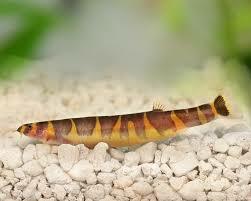
Striped Kuhli Loach 5cm – Pangio semicincta
ARRIVE ALIVE GUARANTEED!
Product Code: LF-Striped_KUHLIILOACH_5c

Dispatch In 1-2 Business Days
or 4 payments of $2.98 with
 Info
Info
Striped Kuhli Loach 5cm – Pangio semicincta
The Striped Kuhli Loach (Pangio semicincta) is a peaceful, eel-shaped freshwater loach known for its distinctive dark brown bands over a warm orange to yellow-brown body.
At approximately 5cm, these are still young fish and can grow to around 10cm as adults.
Striped Kuhli Loaches are gentle, social bottom dwellers that are best kept in a group of at least 5–6 fish. They can be quite secretive when kept alone or in very small numbers, while a proper group generally becomes more confident and displays much more natural behaviour.
Quick Care Guide
- Scientific Name: Pangio semicincta
- Common Names: Striped Kuhli Loach, Banded Kuhli Loach, Kuhli Loach
- Sale Size: Approximately 5cm
- Adult Size: Up to approximately 10cm
- Temperament: Very Peaceful
- Social Behaviour: Group-dwelling
- Recommended Group: At least 5–6
- Recommended Aquarium: Around 60 × 30cm footprint or larger
- Temperature: 21–26°C
- Preferred Aquarium pH: Approximately 5.0–7.0
- Water Hardness: Soft, approximately 0–8 dGH
- Diet: Micropredator / omnivorous bottom feeder
- Care Level: Easy to Intermediate
- Sex: Unsexed
- Origin: Southeast Asia
Peaceful & Social Bottom Dwellers
Striped Kuhli Loaches are extremely peaceful fish and are well suited to calm freshwater community aquariums.
Although they do not school through open water like Tetras, they are highly social and naturally occur in groups. In the aquarium they will often rest together beneath driftwood, amongst plants or inside the same sheltered hiding place.
Keep at least 5–6 Striped Kuhli Loaches together. Larger groups are even better when aquarium space allows and often result in fish that are more confident and visible.
Aquarium Setup
A soft sandy substrate is strongly recommended for Striped Kuhli Loaches.
They naturally spend much of their time searching through the substrate for small food items and may partially bury themselves in sand. Coarse or sharp gravel can interfere with this natural behaviour and may damage their delicate bodies and barbels.
A suitable Kuhli Loach aquarium can include:
- fine aquarium sand
- driftwood and roots
- smooth rocks
- caves and shaded hiding places
- live aquarium plants
- dried leaf litter where appropriate
- open areas for foraging
- gentle filtration and good oxygenation
They naturally prefer shaded environments, so areas of subdued lighting and plenty of cover will help them feel secure.
Secure the Aquarium
Kuhli Loaches are surprisingly good at finding small gaps and can escape from poorly covered aquariums.
Use a secure-fitting lid and check gaps around filter pipes, cables and other equipment.
Small Kuhli Loaches can also enter some filter intakes, so intake guards or suitable pre-filter sponges are worth considering.
Water Conditions
Striped Kuhli Loaches naturally occur in slow-moving forest streams, swamps and backwaters where the water is generally soft and can be quite acidic.
For aquarium keeping, aim for stable conditions within approximately:
- Temperature: 21–26°C
- pH: 5.0–7.0
- General Hardness: 0–8 dGH
Wild habitats can be considerably more acidic than this, but there is no need to deliberately chase extremely low pH values for normal aquarium care.
Stable, clean water is more important than continually adjusting the aquarium to reach one exact number.
Kuhli Loaches are best introduced to a mature, fully cycled aquarium with reliable filtration and regular partial water changes.
Tank Mates
Striped Kuhli Loaches are among the more peaceful bottom-dwelling fish and work well with many small community species that prefer similar water conditions.
Suitable companions can include:
- small peaceful Tetras
- Rasboras
- peaceful Gouramis
- Corydoras
- other compatible Kuhli Loaches
- other small, peaceful community fish
Avoid large predatory fish, aggressive bottom dwellers or highly boisterous species that may intimidate them or prevent them from feeding.
Browse our Loaches range for other freshwater loach species.
Feeding Striped Kuhli Loaches
Striped Kuhli Loaches are primarily micropredators. In nature they search through soft substrate and leaf litter for insect larvae, tiny crustaceans and other small organisms.
In the aquarium, provide a varied diet that includes foods able to reach the bottom.
Suitable foods include:
- quality sinking micro pellets
- small sinking wafers
- frozen bloodworm
- daphnia
- brine shrimp
- other appropriately sized frozen or live foods
Make sure food actually reaches the Kuhli Loaches rather than being eaten by faster mid-water fish first.
They are often particularly active around dusk and after the aquarium lights dim, so offering some sinking food later in the day can work well.
Are Striped Kuhli Loaches Nocturnal?
Striped Kuhli Loaches are naturally most active during dusk, nighttime and other low-light periods.
During the day they may spend long periods beneath driftwood, amongst plants, under leaf litter or inside caves.
This is normal behaviour rather than a sign that something is wrong. A good-sized group with plenty of secure cover often becomes much more confident and may also forage openly during daylight hours.
Do Kuhli Loaches Eat Snails?
Striped Kuhli Loaches should not be purchased as a pest-snail control fish.
They may consume tiny invertebrates, eggs or very small snails while naturally foraging, but they are not reliable snail predators in the way some larger loach species can be.
Their diet and care should be based around their own nutritional requirements rather than using them primarily as aquarium cleaners.
Why Are They Called Striped Kuhli Loaches?
Pangio semicincta usually has a warm orange-brown body crossed by a series of dark vertical bands.
The exact number, width and shape of the bands naturally varies between individual fish. In this species many of the bands do not completely encircle the underside of the body, which is reflected in the name semicincta, meaning roughly “half-banded”.
A Note About Pangio kuhlii
Striped Kuhli Loaches have historically been sold throughout the aquarium trade as Pangio kuhlii.
However, the commonly traded striped fish is most often identified as Pangio semicincta. True Pangio kuhlii is associated with Java and appears to be extremely uncommon in the commercial aquarium trade.
Because closely related Pangio species can look very similar and mixed imports do occur, individual aquarium-trade fish can sometimes be difficult to identify with complete certainty.
Arrive Alive Guarantee
We carefully pack our live fish for transport and back eligible orders with our Arrive Alive Guarantee.
If a fish arrives deceased, please contact us within 2 hours of delivery with your order details and clear photos of the affected fish. Once the claim has been verified, an applicable refund or store credit will be provided for the affected fish.
For full claim requirements, shipping conditions and exclusions, please read our Arrive Alive Guarantee & DOA Policy.
Frequently Asked Questions
How big do Striped Kuhli Loaches grow?
Striped Kuhli Loaches commonly sold as Pangio semicincta can reach approximately 10cm when fully grown. The fish offered here at approximately 5cm are still young.
How many Striped Kuhli Loaches should I keep?
Keep at least 5–6 together. They are social fish and usually become more confident and active when kept in a proper group.
Can a Striped Kuhli Loach live alone?
Keeping one alone is not recommended. Kuhli Loaches naturally live in groups and display more normal behaviour when maintained with several of their own kind.
What substrate is best for Striped Kuhli Loaches?
Fine, soft aquarium sand is preferred because Kuhli Loaches naturally sift and burrow through the substrate while searching for food.
Are Striped Kuhli Loaches peaceful?
Yes. They are very peaceful and work well in suitable community aquariums containing other small, non-aggressive fish.
Are Striped Kuhli Loaches nocturnal?
They are most active during dusk, nighttime and other low-light periods, although confident groups may also forage during the day.
Do Striped Kuhli Loaches eat snails?
They may consume tiny invertebrates or very small snails while foraging, but they are not reliable pest-snail control fish.
Is a Striped Kuhli Loach really Pangio kuhlii?
Most striped Kuhli Loaches in the aquarium trade are more accurately identified as Pangio semicincta. True Pangio kuhlii appears to be extremely uncommon in commercial aquarium imports.
Live fish naturally vary in colour, pattern and size. The stated 5cm sale size is approximate. Closely related Pangio species can occasionally occur in commercial shipments.
- 1 x Kuhlii Loach 7cm
Arrive Alive Guarantee
We carefully pack our live fish for transport and back eligible orders with our Arrive Alive Guarantee.
If a fish arrives deceased, please contact us within 2 hours of delivery with your order details and clear photos of the affected fish. Once the claim has been verified, an applicable refund or store credit will be provided for the affected fish.
For full claim requirements, shipping conditions and exclusions, please read our Arrive Alive Guarantee & DOA Policy.
- Scientific Name: Pangio semicincta
- Common Names: Striped Kuhli Loach, Banded Kuhli Loach, Kuhli Loach
- Sale Size: Approximately 5cm
- Adult Size: Up to approximately 10cm
- Temperament: Very Peaceful
- Social Behaviour: Group-dwelling
- Recommended Group: At least 5–6
- Recommended Aquarium: Around 60 × 30cm footprint or larger
- Temperature: 21–26°C
- Preferred Aquarium pH: Approximately 5.0–7.0
- Water Hardness: Soft, approximately 0–8 dGH
- Diet: Micropredator / omnivorous bottom feeder
- Care Level: Easy to Intermediate
- Sex: Unsexed
- Origin: Southeast Asia
| SKU | LF-Striped_KUHLIILOACH_5c |
| Barcode # | 880343059510 |
| Brand | Live Fish |
| Shipping Weight | 1.0000kg |
| Shipping Width | 0.100m |
| Shipping Height | 0.100m |
| Shipping Length | 0.100m |
| Unit Of Measure | ea |
Others Also Bought
More From This Category
TRUSTED BY 100,000+ FISH-KEEPING ENTHUSIASTS AUSTRALIA-WIDE

Shop Now. Pay Later.
Always interest-free.

Add your favourites to cart

Select Afterpay at checkout

Log into or create your Afterpay account, with instant approval decision

Your purchase will be split into 4 payments, payable every 2 weeks
All you need to apply is to have a debit or credit card, to be over 18 years of age, and to be a resident of country offering Afterpay
Late fees and additional eligibility criteria apply. The first payment may be due at the time of purchase
For complete terms visit afterpay.com/terms