 My Account
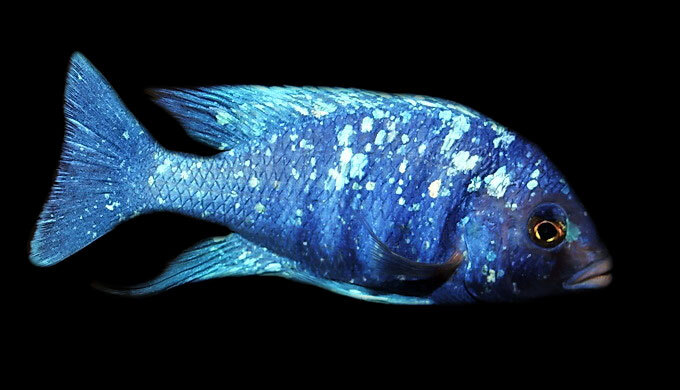
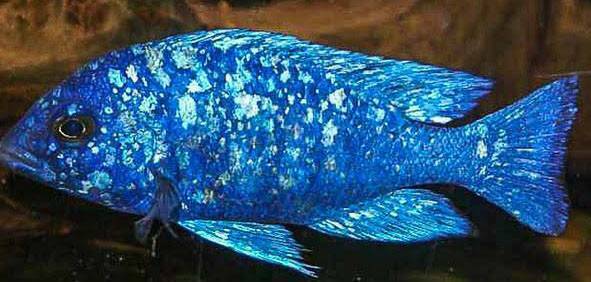
Placidochromis Tanzania Mirrorball Cichlid "Star Saphire" 4cm
ARRIVE ALIVE GUARANTEED!
Product Code: lf-mirror_4

Dispatch In 1-2 Business Days
or 4 payments of $8.74 with
 Info
Info
Star Sapphire Mirrorball Cichlid – Placidochromis sp. “phenochilus Tanzania”
The Star Sapphire Cichlid, also known as the Tanzania Mirrorball Cichlid, is a spectacular Lake Malawi haplochromine recognised for the shimmering silver-white markings that gradually develop across the deep blue body of mature males.
Scientifically, this fish is best referred to as Placidochromis sp. “phenochilus Tanzania”. It is an undescribed Tanzanian form and should not be confused with the true Placidochromis phenochilus, commonly associated with the white-lipped Mdoka form.
Young Star Sapphire Cichlids can look relatively plain compared with mature males. Their famous metallic spotting develops progressively as the fish matures, making this a species that becomes increasingly impressive with age.
Fish Profile
- Common Names: Star Sapphire Cichlid, Tanzania Mirrorball Cichlid, Phenochilus Tanzania
- Scientific Name: Placidochromis sp. “phenochilus Tanzania”
- Origin: Lake Malawi, eastern Tanzanian shoreline
- Fish Type: Lake Malawi Haplochromine
- Adult Size: Approximately 18cm, with some males becoming larger
- Temperament: Relatively peaceful for a Malawi Hap, but territorial behaviour can occur
- Temperature: Approximately 23–28°C
- pH: Approximately 7.5–8.5
- Water: Hard, alkaline
- Recommended Aquarium: Around 400 litres or larger
- Substrate: Fine aquarium sand
- Diet: Omnivorous/invertivorous
- Breeding: Maternal mouthbrooder
About the Star Sapphire Cichlid
The Star Sapphire is one of the most distinctive Lake Malawi Haps available to aquarium keepers.
Mature males develop a deep blue base colour covered with irregular pale blue, silver and white markings that create the characteristic “star sapphire” or “mirrorball” appearance.
The spotting does not usually appear immediately. Juveniles and younger males are typically much more subdued, while mature males become progressively more heavily marked as they age.
Females and juveniles are generally more grey-blue in colour and may show darker vertical bars.
Natural Habitat
Placidochromis sp. “phenochilus Tanzania” originates from the eastern shoreline of Lake Malawi in Tanzania, including areas between Makonde and Lupingu.
It is associated primarily with sandy and transitional habitats rather than the heavily rocky environments preferred by many mbuna.
In the wild, these fish can feed around areas disturbed by other sand-sifting cichlids, taking advantage of small invertebrates and edible particles uncovered from the substrate.
Aquarium Setup
The Star Sapphire Cichlid needs a spacious aquarium with plenty of room for open swimming.
A suitable setup should include:
- Fine sand substrate
- Large open swimming areas
- Selected rockwork for shelter and visual barriers
- Strong biological filtration
- Good oxygenation and water movement
Around 400 litres or larger is a sensible target for adults, particularly when maintaining a group or keeping them alongside other medium to large Lake Malawi Haps.
Unlike heavily rock-oriented mbuna, this species benefits from having substantial open floor and swimming space.
Water Conditions
Star Sapphire Cichlids are adapted to the hard, alkaline conditions of Lake Malawi.
- Temperature: Approximately 23–28°C
- pH: Approximately 7.5–8.5
- Water Hardness: Hard to very hard
Stable water chemistry is important. Avoid sudden changes in temperature, pH or hardness.
Feeding
Star Sapphire Cichlids are omnivorous fish with a natural diet that includes small invertebrates and edible material disturbed from sandy substrates.
In the aquarium, provide a varied, high-quality diet that can include:
- Quality African cichlid pellets
- Appropriate sinking pellets
- Mysis shrimp
- Artemia or brine shrimp
- Other suitable frozen aquatic foods
Avoid excessive feeding or very rich foods. Several moderate feeds are preferable to large amounts of food that contribute to poor water quality.
Temperament and Tank Mates
Star Sapphire Cichlids are generally considered relatively calm compared with many aggressive Lake Malawi species.
They can still become territorial, particularly mature males and fish preparing to breed.
Suitable tank mates can include appropriately sized and similarly tempered Lake Malawi Haps and selected Peacock Cichlids that prefer the same hard, alkaline water conditions.
Highly aggressive mbuna are generally less suitable companions because they may continually harass the more open-swimming Star Sapphire.
When keeping several Star Sapphires, maintaining more females than males can help reduce persistent breeding pressure.
Breeding
Placidochromis sp. “phenochilus Tanzania” is a maternal mouthbrooder.
After spawning, the female carries the fertilised eggs and developing fry in her mouth for approximately three weeks before releasing free-swimming young.
A spacious aquarium with good water quality and places where females can retreat from persistent males is beneficial when maintaining a breeding group.
Why Choose a Star Sapphire Cichlid?
The Star Sapphire is an excellent choice for experienced Lake Malawi keepers looking for a larger show fish with unusual adult colour development.
Its transformation from a relatively understated juvenile into a deep blue adult covered in shimmering metallic markings makes it particularly rewarding to raise.
Browse more African Cichlids available from Aquaholics.
Frequently Asked Questions
What is the scientific name of the Star Sapphire Cichlid?
The Star Sapphire Cichlid is best identified as Placidochromis sp. “phenochilus Tanzania”. It is an undescribed Lake Malawi form and is distinct from true Placidochromis phenochilus.
How big do Star Sapphire Cichlids grow?
Adults commonly reach around 18cm, although mature males may become somewhat larger.
When do Star Sapphire Cichlids develop their spots?
The metallic white and silver markings develop gradually as males mature. Young fish may show little or none of the distinctive adult spotting.
Are Star Sapphire Cichlids aggressive?
They are generally relatively peaceful for a Lake Malawi Hap, although adult males can become territorial, particularly during breeding.
What size aquarium does a Star Sapphire Cichlid need?
Around 400 litres or larger is recommended for mature fish, particularly when keeping a group or a Malawi community.
What temperature should Star Sapphire Cichlids be kept at?
A temperature of approximately 23–28°C is suitable.
What pH do Star Sapphire Cichlids prefer?
They prefer hard, alkaline Lake Malawi water with a pH of approximately 7.5–8.5.
What do Star Sapphire Cichlids eat?
They are omnivorous/invertivorous fish. A varied aquarium diet can include quality African cichlid pellets together with suitable frozen foods such as mysis shrimp and Artemia.
Are Star Sapphire Cichlids mouthbrooders?
Yes. Females are maternal mouthbrooders and carry the developing eggs and fry in their mouths before releasing the young.
Is a Star Sapphire the same as Placidochromis phenochilus?
No. The fish commonly sold as the Star Sapphire or Phenochilus Tanzania is Placidochromis sp. “phenochilus Tanzania”, an undescribed Tanzanian form. True Placidochromis phenochilus is a different fish associated with the distinctive white-lipped forms.
- 1 x Mirror Ball Cichlid 4cm
DOA Policy for Live Fish shipping
At Aquaholics, we place utmost importance on the careful shipping of live fish to ensure their safe arrival. Our commitment to quality includes taking various measures during transit. Each fish bag is infused with medical-grade oxygen and an ammonia-neutralizing solution. In colder periods, we also utilize heat packs to maintain optimal temperatures. However, we understand that unforeseen circumstances can sometimes lead to unfortunate outcomes. To provide you with peace of mind, we have implemented a Dead-on Arrival (DOA) policy that ensures you are covered in such situations.
Procedure:
- Owner's Presence: It is essential for the owner or an authorised representative to be available at the provided shipping address to receive the fish. If no one is available, the courier will leave your parcel in a safe space as all fish orders are shipped ATL.
- Shipping Address: Please provide a valid street address for shipping. Ensure the address is accurate and complete to avoid any delivery issues.
- Reporting DOA: If you receive a fish that is dead on arrival, please notify us promptly. Within 2 hours of receiving the fish, send an email to our customer support team. Include the following details in your email:
- Name: Your full name
- Order Number: The unique order number associated with your purchase
- DOA Fish Picture: Attach a clear picture of the deceased fish
Terms and Conditions:
- Timely Notification: Please make your DOA claim within 2 hours of receiving the fish. Claims submitted after this timeframe will not be eligible for compensation.
- Proper Documentation: Ensure that your email includes accurate and complete information, including your name, order number, email, and a clear picture of the deceased fish. Incomplete or inaccurate information may delay the processing of your claim.
- Verification: Our customer support team will review the provided information to verify the DOA claim. Once the claim is validated, we will proceed with the appropriate compensation.
- Compensation Options: In the event of a DOA, we offer two compensation options: a) Store Credit: You will receive a store credit equal to the value of the deceased fish, which can be used for future purchases. b) Refund: We can issue a refund for the value of the deceased fish, processed through the original payment method used for the purchase.
- Shipping Costs: Please note that shipping costs are non-refundable unless the entire order is considered a DOA.
- Conditions Apply: Our DOA policy covers only fish that are dead upon arrival. It does not apply to fish that perish after successful delivery and acclimation to their new environment.
We are committed to providing the best possible experience for our customers and ensuring the well-being of our live fish. If you have any questions or concerns regarding our DOA policy, don't hesitate to get in touch with our customer support team at doafish@aquaholicsonline.com.au , and we will be glad to assist you.
 Note: The terms and conditions outlined in this DOA policy are subject to change without prior notice. We recommend reviewing the most up-to-date policy on our website or contacting our customer support team for any updates.
Thank you again for allowing us on your aqaurium journey.
Jesse Elstak
Owner
Species - Placidochromis Tanzania Mirrorball Cichlid (Star Saphire)
Common Name - mirror balls / star Saphire
Mature Adult Size - 8"
Origin - Lake Malawi
PH Range - 7.6 - 8.5
Temperature Range 24°c - 28°c
Water Type - Hard Alkaline
Breed Type - Mouth Brooder
Size - 4cm
Sex - Unsexed
| SKU | lf-mirror_4 |
| Barcode # | 7427105033048 |
| Brand | Live Fish |
| Shipping Weight | 0.1000kg |
| Shipping Width | 0.100m |
| Shipping Height | 0.100m |
| Shipping Length | 0.100m |
More From This Category
TRUSTED BY 100,000+ FISH-KEEPING ENTHUSIASTS AUSTRALIA-WIDE

Shop Now. Pay Later.
Always interest-free.

Add your favourites to cart

Select Afterpay at checkout

Log into or create your Afterpay account, with instant approval decision

Your purchase will be split into 4 payments, payable every 2 weeks
All you need to apply is to have a debit or credit card, to be over 18 years of age, and to be a resident of country offering Afterpay
Late fees and additional eligibility criteria apply. The first payment may be due at the time of purchase
For complete terms visit afterpay.com/terms