 My Account
Aquascaping Supplies Australia
Create a planted aquarium with depth, balance and natural character with aquascaping supplies from Aquaholics Online.
Our aquascaping range includes tools, CO₂ equipment, planted aquarium substrate, aquasoil, live aquarium plants, lighting and other equipment for freshwater planted tanks and natural-style aquariums.
Whether you are creating your first planted tank or refining a detailed aquascape, Aquaholics can help you build the complete setup with Australia-wide delivery and local support from our Sunshine Coast aquarium store.
What Is Aquascaping?
Aquascaping is the practice of designing and arranging aquarium plants, substrate, rock, driftwood and other natural materials to create a visually balanced underwater landscape.
An aquascape can be as simple as a few carefully positioned plants and pieces of wood, or as detailed as a heavily planted layout inspired by natural landscapes.
Popular aquascaping styles include:
- Nature-style aquariums
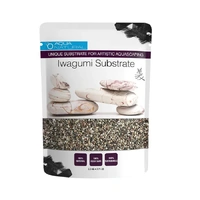
- Iwagumi aquascapes
- Dutch-style planted tanks
- Jungle-style aquariums
- Low-tech planted tanks
- Shrimp aquascapes
Live Aquarium Plants for Aquascaping
Live aquarium plants are one of the most important elements in a planted aquascape.
Different plants can be used to create foreground, midground and background areas, while epiphytic plants such as Anubias and Java Fern can be attached to rock and driftwood.
When selecting plants, consider:
- Lighting requirements
- CO₂ requirements
- Growth rate
- Mature plant size
- Placement within the aquascape
- Water parameters
Beginners can create attractive aquascapes using hardy, lower-demand plants, while more advanced layouts may use carpeting plants, colourful stem plants and controlled CO₂ injection.
Planted Aquarium Substrate & Aquasoil
The substrate forms the foundation of an aquascape and plays both a visual and practical role.
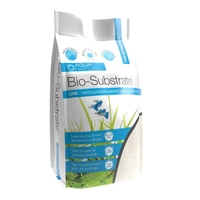
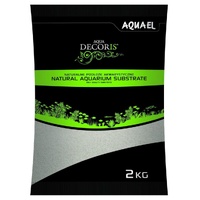
Our planted aquarium substrate and aquasoil range includes active aquasoils, plant-friendly substrates, natural sands and materials suitable for freshwater planted tanks.
Substrate can be used to:
- Anchor aquarium plants
- Create slopes and elevation
- Add depth and perspective
- Define pathways and open areas
- Support root-feeding plants
- Create natural-looking foregrounds
For broader decorative options, you can also explore our aquarium substrate, gravel and sand range.
Aquascaping Rock & Driftwood
Rock and driftwood provide structure and focal points within an aquascape.
Hardscape materials can be used to create:
- Rock formations
- Caves and sheltered areas
- Natural pathways
- Raised planting areas
- Tree-root and forest-inspired layouts
- Focal points for planted aquarium designs
Natural hardscape can also provide useful surfaces for attaching rhizome plants, mosses and other epiphytic aquarium plants.
Aquascaping Tools
Good aquascaping tools make planting and maintaining a detailed aquarium much easier.
Useful tools include:
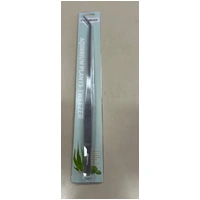
- Long aquascaping tweezers
- Curved tweezers
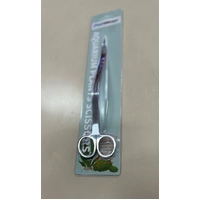
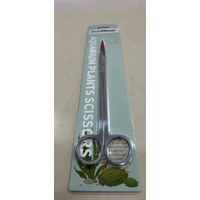
- Aquascaping scissors
- Plant trimming scissors
- Substrate levellers
- Algae scrapers
Long-handled tools allow plants and hardscape to be positioned accurately without constantly placing your hands into the aquarium.
CO₂ Equipment for Planted Aquariums
Carbon dioxide is one of the key resources aquatic plants use for photosynthesis.
Not every planted aquarium requires injected CO₂, but higher-demand aquascapes may benefit from controlled CO₂ supplementation.
CO₂ equipment may include:
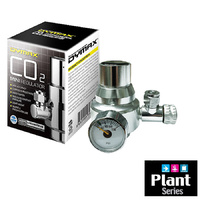
- CO₂ regulators
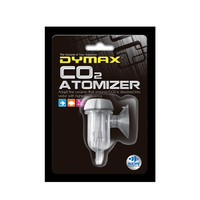
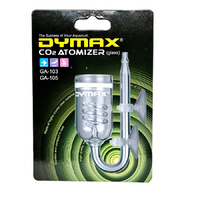
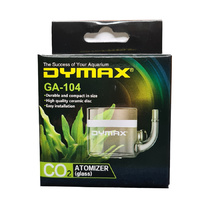
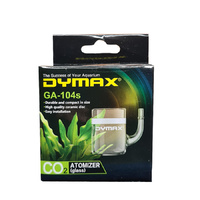
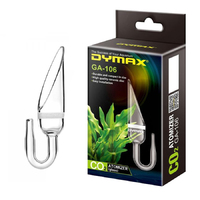
- Diffusers and atomisers
- Bubble counters
- Drop checkers
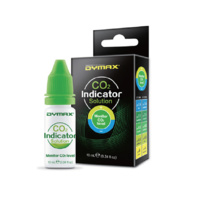
- CO₂ indicator solution
- CO₂-resistant tubing
- Check valves
For a detailed introduction, read our CO₂ for Planted Aquariums guide.
Aquarium Lighting for Aquascaping
Lighting has a major influence on both plant growth and the appearance of an aquascape.
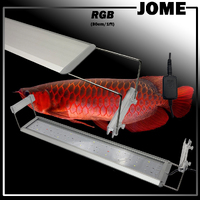
Our aquarium LED lighting range includes full-spectrum, RGB and planted aquarium lights in sizes suitable for nano tanks through to large display aquariums.
The right lighting depends on:
- Aquarium depth
- Plant species
- Light intensity
- CO₂ availability
- Nutrient levels
- Desired colour rendition
More light is not always better. Excessive lighting without balanced nutrients and CO₂ can contribute to unwanted algae growth.
Low-Tech Aquascaping
You do not need a high-tech CO₂ system to create an attractive planted aquarium.
Low-tech aquascapes typically use hardy plants, moderate lighting and simpler fertilisation.
Plants such as Anubias, Java Fern and other lower-demand species can be excellent choices for aquarists who want a natural planted aquarium without intensive maintenance.
High-Tech Planted Aquariums
More advanced aquascapes may combine:
- Stronger planted aquarium lighting
- Pressurised CO₂ injection
- Active aquasoil
- Liquid fertilisers
- Root fertilisers
- Regular plant trimming
Balancing lighting, nutrients and CO₂ is important. Increasing one without adjusting the others can lead to poor plant growth or algae problems.
Building an Aquascape
A simple way to plan a new aquascape is to work in stages:
- Choose the aquarium – Consider tank dimensions and viewing angles.
- Select the substrate – Choose aquasoil, sand, gravel or a combination suited to the layout.
- Position hardscape – Arrange rock and driftwood before planting.
- Add plants – Use foreground, midground and background plants to create depth.
- Install lighting – Match the light to the aquarium dimensions and plant requirements.
- Add CO₂ if required – Higher-demand planted tanks may benefit from controlled CO₂ injection.
- Maintain the layout – Trim plants, remove algae and adjust fertilisation as the aquarium matures.
Shop Aquascaping Supplies in Australia
Aquaholics Online stocks aquascaping supplies for beginner and experienced freshwater aquarists across Australia.
Build your setup with live aquarium plants, planted substrate, aquasoil, aquarium lighting, CO₂ equipment and aquascaping tools in one place.
Shop online for Australia-wide delivery or visit Aquaholics on the Sunshine Coast for aquarium and aquascaping supplies.
Frequently Asked Questions
What do I need to start aquascaping?
A basic aquascaping setup usually includes an aquarium, substrate, lighting, live plants, hardscape such as rock or driftwood and basic aquascaping tools. CO₂ and additional fertilisation may be added depending on the plants and style of aquarium.
Do I need CO₂ for aquascaping?
No. Many low-tech planted aquariums can be maintained without injected CO₂. More demanding plants, stronger lighting and advanced aquascapes may benefit from controlled CO₂ supplementation.
What substrate is best for aquascaping?
The best substrate depends on the plants and aquarium design. Active aquasoil is popular in planted aquariums, while inert gravel and sand can also be used successfully with appropriate fertilisation.
What aquarium plants are easiest for beginners?
Hardy plants such as Anubias and Java Fern are popular beginner choices because they generally tolerate moderate lighting and can be grown without injected CO₂.
How many hours should an aquascape light be on?
Around 6–8 hours per day is a useful starting point for many planted aquariums. Lighting duration can then be adjusted according to plant growth, algae levels and the strength of the light.
Can I use ordinary aquarium gravel in an aquascape?
Yes. Aquarium gravel can be used in aquascapes, particularly with plants that do not rely heavily on root feeding. Root tabs or other fertilisation may be useful for plants that obtain significant nutrients through their roots.
What is the difference between aquascaping and a planted aquarium?
A planted aquarium contains live aquatic plants, while aquascaping places greater emphasis on the deliberate design and arrangement of plants, substrate, rock, driftwood and open space to create a balanced visual layout.
TRUSTED BY 100,000+ FISH-KEEPING ENTHUSIASTS AUSTRALIA-WIDE

Shop Now. Pay Later.
Always interest-free.

Add your favourites to cart

Select Afterpay at checkout

Log into or create your Afterpay account, with instant approval decision

Your purchase will be split into 4 payments, payable every 2 weeks
All you need to apply is to have a debit or credit card, to be over 18 years of age, and to be a resident of country offering Afterpay
Late fees and additional eligibility criteria apply. The first payment may be due at the time of purchase
For complete terms visit afterpay.com/terms